
Welcoming a new furry friend into your family is an exciting experience, but it can also be overwhelming, especially when it comes to training a puppy. With their curious nature and playful energy, it’s natural to wonder how you’ll ever get them to listen and behave. But fear not, fellow pet parents! With patience, consistency, and positive reinforcement, you can turn your rambunctious pup into a well-behaved companion.
In this article, we’ll share our top tips and tricks for training a puppy, from housebreaking and obedience commands to socialization and boundary setting.
Whether you’re a seasoned dog owner or a first-time parent, these expert advice will help you raise a happy, healthy, and well-adjusted pup that will bring joy to your life for years to come.
Understanding Puppy Behavior
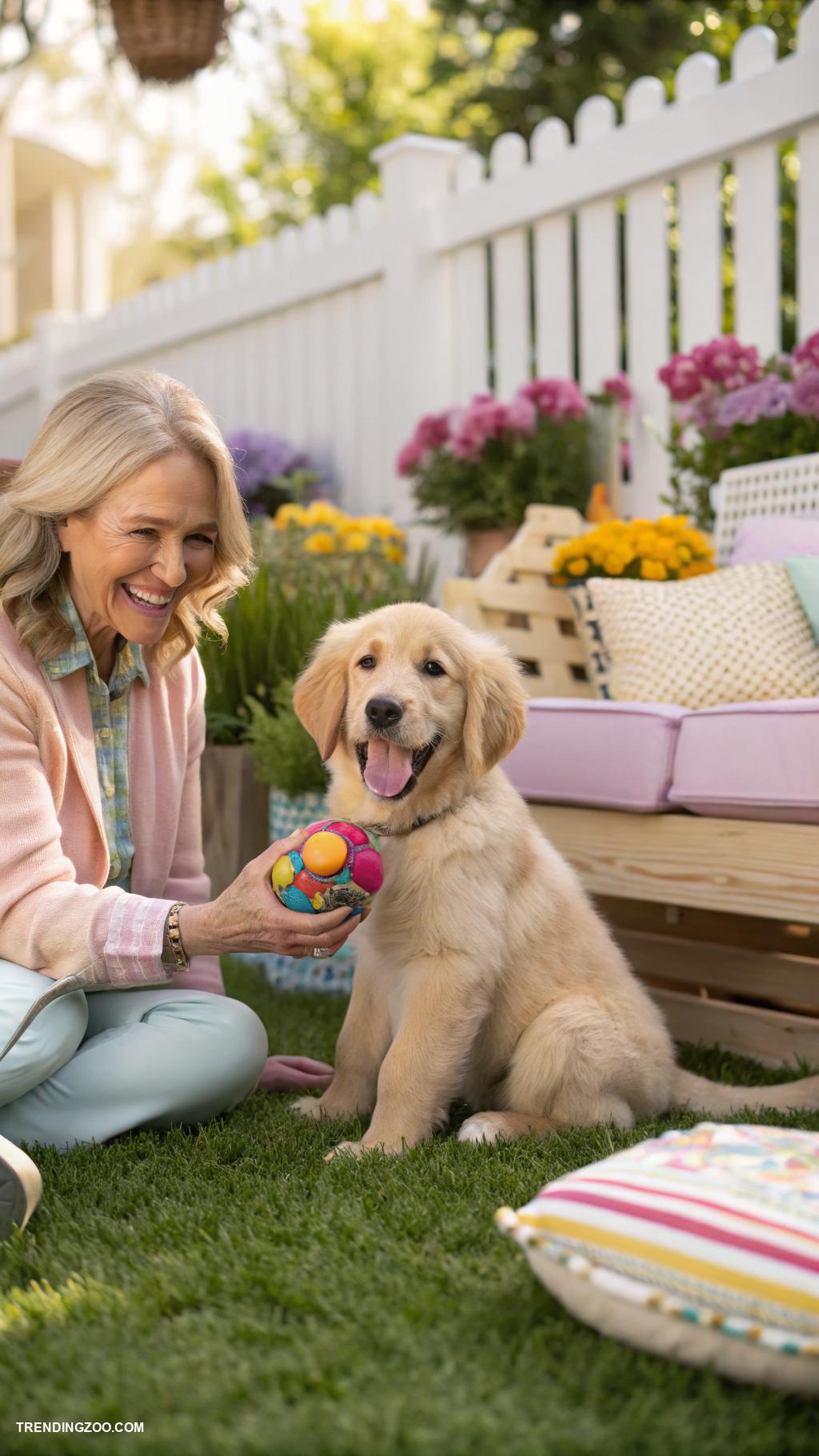
Understanding puppy behavior is a crucial aspect of training a new furry friend. Puppies are bundles of energy and curiosity, and they learn through exploration and interaction. It’s essential to recognize and respond to their body language and vocal cues to build trust, establish boundaries, and encourage good behavior. For instance, a puppy’s tail wagging can indicate excitement or friendliness, while a tucked tail may signify fear or anxiety. When a puppy yips or whines, it’s often a sign of excitement or seeking attention. By paying attention to these nonverbal cues, you can better communicate with your puppy and prevent misunderstandings. Additionally, puppies are naturally inclined to follow a leader, so consistency and clear guidance are vital in shaping their behavior. By establishing a routine, setting clear boundaries, and rewarding good behavior, you can help your puppy develop into a well-adjusted and well-behaved adult dog.
Essential Training Supplies
When it comes to training a puppy, having the right equipment and supplies is crucial. Essential Training Supplies is a brand that specializes in providing high-quality products designed to make the training process smoother and more effective.
The basic puppy essentials list includes training collars, leashes, harnesses, and treats, all carefully designed to cater to the specific needs of puppies. Training collars, for instance, are equipped with advanced features such as adjustable stimulation levels, tone-only mode, and a waterproof design. This ensures that puppy owners can train their pets in any environment, regardless of the weather conditions.
Puppy leashes and harnesses, on the other hand, are designed to provide comfort and support to both the puppy and the owner, allowing for a more enjoyable walking experience. Puppy treats are made with natural ingredients and come in a variety of flavors to keep puppies engaged and motivated during training sessions.
By investing in essential puppy training supplies, puppy owners can rest assured that they are providing their pets with the best possible tools to learn and grow.
Basic Commands to Teach Your Puppy
When it comes to training a puppy, one of the most essential steps is teaching basic commands. These commands not only help with obedience but also lay the foundation for future training and can even help prevent behavioral issues. Some of the most important basic commands to teach your puppy include “sit”, “stay”, “come”, “down”, and “leave it”.
To start, begin with short sessions of 5-10 minutes, focusing on one command at a time. For example, to teach “sit”, hold a treat in front of your puppy’s nose and slowly move it upwards and backwards, towards their tail. As they follow the treat with their head, their bottom will naturally lower into a sitting position. The moment they do, say “sit” and give them the treat. Repeat this process several times until they learn the association. Gradually phase out the treats as they become more proficient, replacing them with praise and affection.
Similarly, teach “stay” by having your puppy sit or lie down, then taking a few steps back and saying “stay”. If they get up, go back to the beginning and try again. If they remain in position, reward them with a treat and praise.
With patience and consistency, your puppy will learn these basic commands in no time!
Socialization Techniques
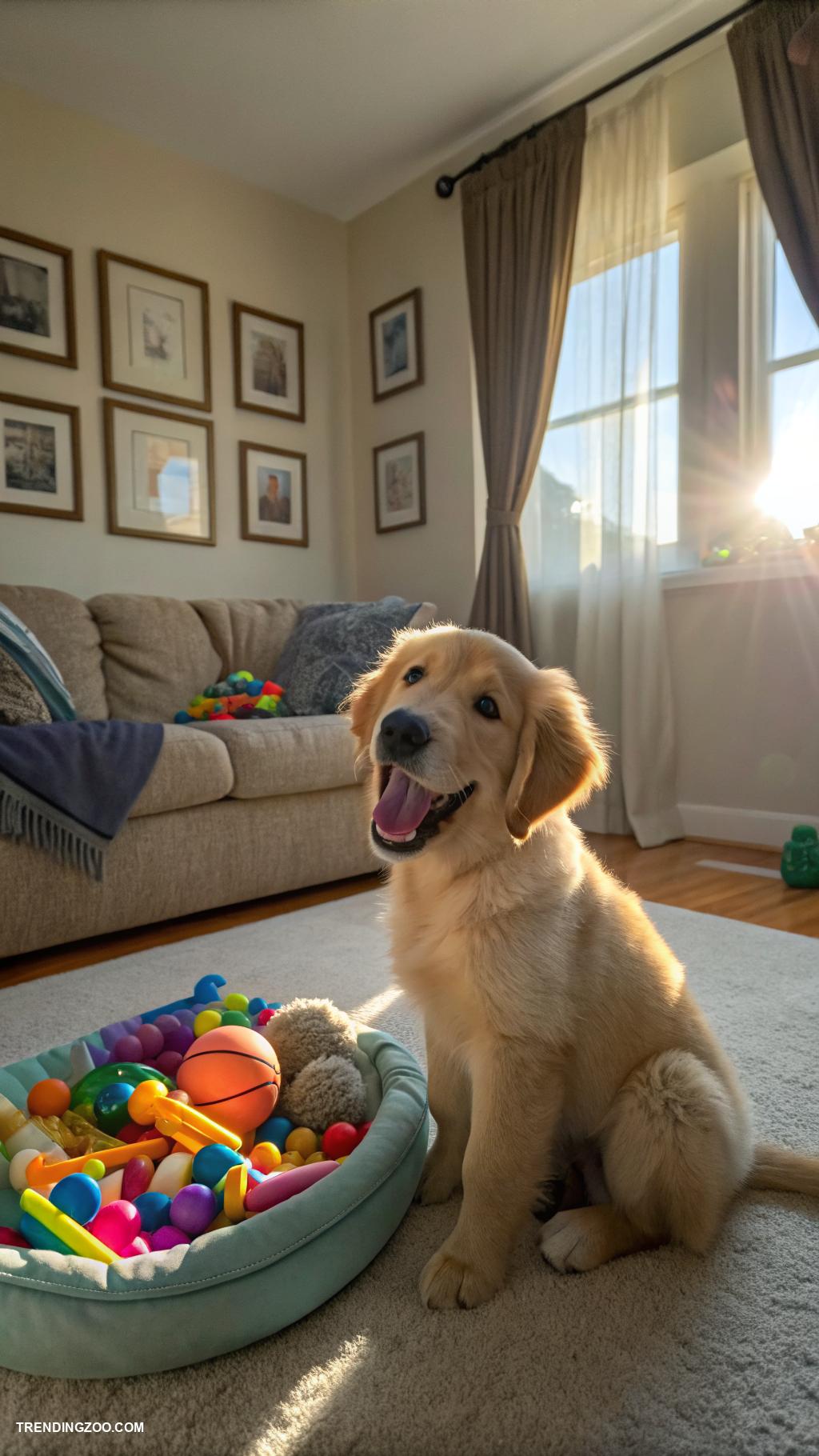
Socialization is a crucial aspect of training a puppy, as it lays the foundation for their ability to interact with people, other animals, and new environments. During the critical period between 8 and 11 weeks, puppies are most receptive to new experiences, making it an ideal time to introduce them to various socialization techniques.
One effective method is to expose your puppy to a variety of people, including children, adults, and seniors, to help them become comfortable with different ages, sizes, and appearances. You can also introduce your puppy to other animals, such as dogs, cats, and even small animals like rabbits or guinea pigs, under controlled and safe conditions.
Additionally, socialization can involve exposing your puppy to new sights, sounds, and smells, such as car rides, playgrounds, and outdoor spaces. By gradually introducing your puppy to these new experiences, you can help them develop confidence, reduce anxiety, and build a strong foundation for future training.
House Training Your Puppy
House training your puppy is a crucial part of their overall training and development. It’s essential to establish a routine and consistency from the very beginning to avoid accidents and unwanted behaviors.
Start by designating a specific area outside, such as a grassy spot or a puppy pad, where you want your puppy to go to the bathroom. Take your puppy to this area immediately after meals, naps, and playtime to create a connection between these activities and the need to eliminate.
Praise and reward your puppy with treats and affection when they successfully go to the bathroom in the designated area. If your puppy has an accident in the house, don’t scold or punish them. Instead, calmly say “oops” and lead them to the designated area to finish the job.
Be patient and remember that accidents are a normal part of the house training process. As your puppy grows and matures, they’ll learn to communicate their needs more effectively, and you’ll find that they’re able to hold their bladder and bowels longer between trips outside.
With consistency, patience, and positive reinforcement, you can help your puppy become a well-behaved and well-trained member of your family.
Positive Reinforcement Methods
Positive reinforcement methods are a cornerstone of puppy training, focusing on rewarding desired behaviors rather than punishing undesired ones. This approach encourages puppies to repeat the actions that earn them treats, praise, and affection, leading to a strong bond between you and your furry friend.
When you catch your puppy performing a desired behavior, such as sitting or coming when called, immediately reward them with a treat, a hug, or a game of fetch. This association between the behavior and the reward helps the puppy understand what they did right and what they should continue doing. Be sure to use high-value treats and praise, as puppies are highly motivated by rewards. It’s also essential to reward immediately after the desired behavior, as puppies have short attention spans and may forget what they did right if the reward is delayed.
Consistency is key, so ensure all family members are using the same rewards and techniques to avoid confusing your puppy. With patience, persistence, and positive reinforcement, you can shape your puppy’s behavior and build a strong foundation for a lifelong friendship.
Common Training Mistakes to Avoid
When it comes to training a puppy, it’s essential to be aware of common mistakes that can hinder the learning process and even lead to behavioral issues. One of the most critical errors is inconsistent training.
Puppies thrive on routine and clear boundaries, so it’s crucial to establish a consistent schedule for feeding, exercise, and training. Avoid switching between different training methods or reward systems, as this can confuse your puppy and undermine their trust in you. Another common mistake is using punishment or negative reinforcement, which can lead to fear and aggression in your puppy.
Instead, focus on positive reinforcement techniques, such as treats, praise, and affection, to encourage good behavior. Additionally, avoid overcorrection, which can be overwhelming and stressful for your puppy. Instead, break complex behaviors into smaller steps and reward small successes.
Finally, don’t forget to be patient and gentle when training your puppy. Remember that they are still learning and may make mistakes, so avoid yelling, punishing, or physically correcting them.
By avoiding these common mistakes, you can set your puppy up for success and build a strong, loving bond with them.