
As the softest and most adorable creatures in the animal kingdom, bunnies have captured the hearts of many pet owners around the world. With their twitching little noses, floppy ears, and cute little paws, it’s no wonder why they’re often referred to as the ultimate cuddle buddies. But while they may look like gentle giants, bunnies require a lot of care and attention to stay happy and healthy. From providing the perfect diet to creating a safe and stimulating environment, there’s a lot to consider when it comes to caring for these beloved pets.
In this article, we’ll share our top bunny care tips to help you give your furry friend the best possible life, from providing the right food and shelter to keeping them entertained and stress-free. Whether you’re a seasoned bunny owner or just considering bringing one home, you’ll find everything you need to know to become a bunny expert and give your pet the love and care they deserve.

Provide a Spacious Living Area
Bunnies require ample space to hop and explore, so ensure their living area is large enough for them to move freely. Ideally, a rabbit should have a pen that is at least 4 feet by 4 feet, with additional space for exercise. This helps prevent boredom and encourages natural behaviors.

Living World Deluxe Hybrid Habitat Small Pet Animal Cage - X-Large | For Rabbits, Guinea Pigs, Chinchillas & Ferrets - 47" x 23" x 24" - Includes Balcony, Ramp, Water Bottle & Hay Guard
Check Price on AmazonFeed a Balanced Diet
A rabbit’s diet should primarily consist of high-quality hay, fresh vegetables, and a small amount of pellets. Timothy hay is a great option, providing essential fiber for digestion. Fresh greens like romaine lettuce and parsley are excellent, but avoid iceberg lettuce and starchy vegetables.

Oxbow Essentials Adult Rabbit Food, Timothy Hay Rabbit Pellets, USA, 5 lb | Bunny Food for Adult Rabbits, Made with High Fiber Oxbow Hay, Vitamins & Minerals, Uniform, Prevents Selective Feeding
Check Price on AmazonProvide Fresh Water Daily
Always ensure your bunny has access to fresh, clean water. Change the water daily to prevent bacteria growth, and consider using a heavy ceramic bowl or a water bottle to prevent spills. Hydration is key to maintaining your bunny’s health.

Veken Innovation Award Winner Stainless Steel Cat Water Fountain, 108oz, C1 | Automatic Pet Fountain Dog Water Dispenser with 3 Replacement Filters & Silicone Mat, Gifts for Cats, Dogs (Silver)
Check Price on AmazonCreate a Litter Box Training System
Rabbits can be trained to use a litter box, which makes cleaning up much easier. Use a shallow box lined with paper-based litter and place it where your bunny usually goes. Reward them with treats when they use it correctly to reinforce the behavior.

Yuoaes Large Rabbit Litter Box Bunny Potty Training Corner Litter Pan with Drawer Comes with Liners Rabbit Pee Pads, Small Animal Bedding Toilet for Adult Guinea Pig, Ferret, Hamster, Bunnies
Check Price on AmazonProvide Chew Toys
Bunnies need to gnaw on things to keep their teeth healthy and prevent overgrowth. Offer a variety of chew toys made from untreated wood, willow, or specially designed rabbit toys. Avoid items that can splinter or are made from toxic materials.

Grddaef 20 PCS Bunny Chew Toys for Teeth, Natural Rabbit Toys Apple Wood Grass Timothy Sticks Chew and Treat for Guinea Pigs Hamster Chinchillas
Check Price on AmazonSocialize Your Bunny
Bunnies are social creatures and thrive on interaction, both with humans and other rabbits. Spend time daily cuddling, playing, and allowing your bunny to explore different areas of your home. Consider adopting a second rabbit for companionship, but make sure to introduce them properly.

social bunny
Check Price on AmazonBunny-Proof Your Home
To keep both your bunny and your home safe, bunny-proof the areas where your rabbit will roam. Cover electrical cords, secure furniture legs, and remove items that can be harmful if chewed on. This can prevent accidents and give your bunny the freedom to explore safely.

Tierecare Rabbit Hideout Large Bunny Bed Washable Rabbit House | Fleece Hiding Hut for Indoor Bunnies Guinea Pigs, Small Animal Hideaway
Check Price on AmazonEstablish a Routine
Bunnies thrive on routine, so try to feed and interact with them at the same times each day. This helps them feel secure and understand what to expect. Regular scheduling also assists in monitoring their health and behavior closely.
Monitor Temperature and Environment
Bunnies are sensitive to temperature extremes and should be kept in a moderate environment. Ensure their living space is between 60°F and 70°F and avoid direct sunlight. Use fans or air conditioning in the summer, and provide warm bedding in the winter.
Groom Regularly
Depending on the breed, bunnies may require regular grooming to prevent matting and hairballs. Long-haired breeds need more frequent brushing, while short-haired breeds can be groomed less often. Regular grooming also allows you to check for skin problems and parasites.

Rabbit Grooming Kit, Rabbit Brush for Shedding with Bunny Nail Clipper, Rabbit Nail Trimmers with Pet Combs for Hamster Guinea Pig Ferret by KALAMANDA
Check Price on AmazonSchedule Regular Veterinary Check-ups
Regular vet visits are important to ensure your bunny stays healthy. Schedule annual check-ups and ask your vet about vaccinations, spaying/neutering, and dental health. Early detection of issues can greatly enhance your bunny’s quality of life.
Limit Sugary Treats
While it can be tempting to give your bunny sugary snacks, these should be limited. High sugar treats can lead to obesity and other health issues. Reserve special treats like fruits for occasional rewards and prefer vegetables as a primary snack option.

Oxbow Simple Rewards Guinea Pig & Rabbit Treats, Apple Banana, Baked, 3 oz | Timothy Hay, Bunny Treats, Hamster Treats, Chinchilla, Guinea Pig Snack, Rabbit Enrichment, Rabbit Accessories, Essentials
Check Price on AmazonProvide Hiding Spots
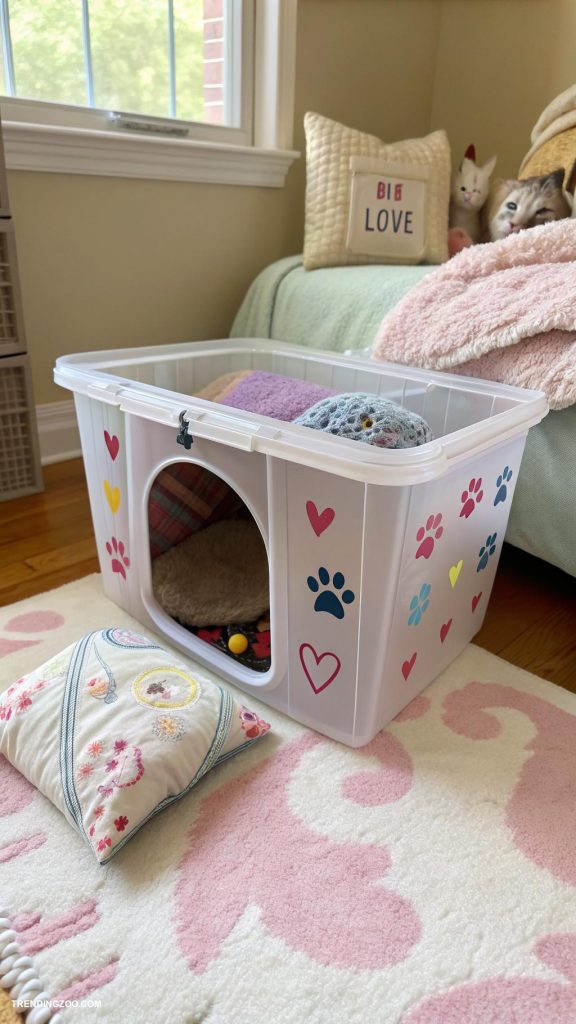
Bunnies appreciate having areas where they can hide to feel secure. Provide small boxes or tunnels within their living area to help them feel safe. These additions mimic their natural instincts and can reduce stress in their environment.
Tierecare Rabbit Hideout Large Bunny Bed Washable Rabbit House | Fleece Hiding Hut for Indoor Bunnies Guinea Pigs, Small Animal Hideaway
Check Price on AmazonEncourage Exercise and Play
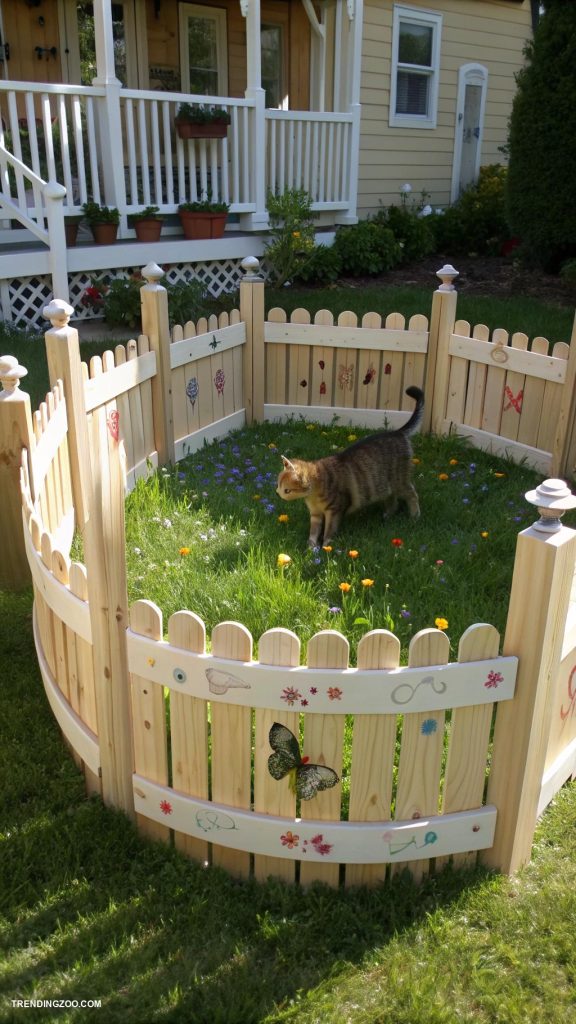
Bunny exercise is crucial for their health and happiness. Provide plenty of opportunities for your rabbit to run and play. Set up obstacle courses or tunnels, and consider supervised outdoor playtime for extra activity in a safe space.

HERCOCCI Rabbit Toys, Bunny Tunnels & Tubes, Collapsible 3 Way Rabbit Hideout Tunnel with Chew Toys for Bunny Guinea Pig Ferret Kitten
Check Price on Amazon