
There’s no denying the irresistible charm of corgi puppies – their adorable button noses, their fluffy ears, and their irresistible waddles have captured the hearts of many. These pint-sized bundles of joy are often described as “big dogs in little bodies” due to their short stature and long bodies, but it’s their sweet and playful personalities that truly set them apart.
Whether they’re romping around in the backyard, snuggling up on your lap, or stealing snacks from the kitchen counter, corgi puppies bring endless joy and laughter to those around them.
In this article, we’ll share the cutest corgi puppies and explore what makes them so special, from their unique characteristics to their training needs and adorable antics.
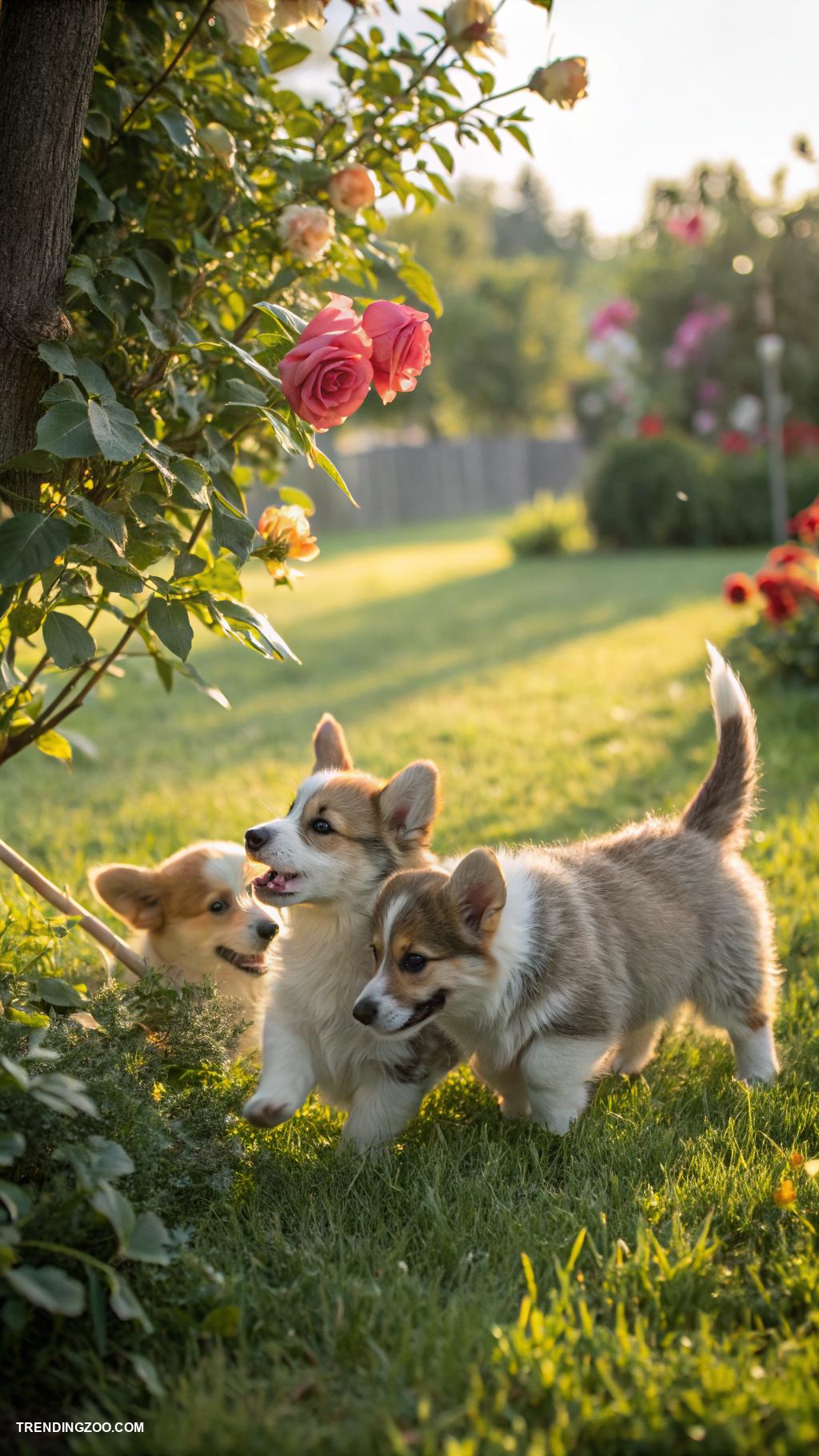
Physical Characteristics of Corgi Puppies
Corgi puppies are undeniably adorable, and their physical characteristics are a significant contributor to their irresistible charm. At birth, Corgi puppies typically weigh between 1-3 pounds and measure around 8-10 inches in length. As they grow, they will gradually develop their signature short stature, with adult Corgis reaching a height of 10-12 inches at the shoulder.
Their compact bodies are well-proportioned, with a sturdy build and a rounded barrel chest. Their legs are short but strong, with a distinctive “stilt-like” appearance that is a hallmark of the breed.
Corgi puppies also have a thick, fluffy coat that requires regular grooming to prevent matting and tangling. Their fur can vary in color, with common shades including red, fawn, sable, and black and tan.
As they mature, Corgi puppies will develop their characteristic “fox-like” head, with a flat skull and a distinctive stop at the eyes. Their ears are erect and triangular, and their eyes are large and expressive, with a gentle, loving gaze that is sure to capture the hearts of anyone who meets them.
Common Temperament and Behavior Traits
When it comes to understanding the behavior and temperament of cute corgi puppies, it’s essential to recognize that each breed has its unique characteristics. Corgis, in particular, are known for their intelligent, energetic, and loyal nature.
One of the most prominent common temperament and behavior traits of corgi puppies is their strong herding instinct. This means they have an innate desire to chase and herd small animals, which can sometimes manifest as nipping or chasing at feet. It’s crucial to channel this energy into positive outlets, such as training and exercise, to prevent unwanted behaviors.
Another notable trait is their strong bond with their human family members. Corgis thrive on attention and affection, and they can become destructive or anxious if left alone for extended periods without proper socialization and training.
On the other hand, they are also known for their playful and mischievous personalities, often getting into trouble if not monitored closely. With proper care and attention, however, corgi puppies can grow into loving, loyal, and entertaining companions.
Training Tips for Corgi Puppies
When it comes to training Corgi puppies, it’s essential to start early and be consistent. Corgis are intelligent and eager to please, but they can be stubborn at times. Begin with short training sessions, around 5-10 minutes, and gradually increase the duration as your puppy grows and focuses.
Positive reinforcement is key, so be sure to reward good behavior with treats and praise. Corgis are prone to distractions, such as chasing squirrels or sniffing around, so it’s crucial to keep training sessions engaging and interactive. Use high-value treats and toys to capture their attention and encourage them to focus on the task at hand.
When teaching basic commands like “sit,” “stay,” and “come,” use a clear and consistent tone of voice and hand signals. Corgis respond well to visual cues, so be sure to use hand signals in conjunction with verbal commands.
For example, hold a treat above your puppy’s head and move it backwards towards their tail to encourage them to sit. When they do, praise them and give them the treat. Gradually phase out the treats as your puppy becomes more proficient, replacing them with praise and affection.
Socialization is also vital for Corgi puppies. Expose them to various environments, people, and animals!
Health and Care Requirements
When it comes to the health and care requirements of corgi puppies, it’s essential to prioritize their well-being from an early age. Corgis are a breed prone to certain health issues, such as hip dysplasia, intervertebral disc disease, and obesity, which can be managed with proper care and attention.
Regular veterinary check-ups are crucial to monitor their health and catch any potential problems early on. A balanced diet that takes into account their high energy levels and potential for overeating is also vital.
Corgi puppies require a minimum of two hours of exercise per day, including walks, playtime, and training sessions, to keep them physically and mentally stimulated.
Regular grooming is necessary to prevent matting and tangling of their thick coats, as well as to remove dirt and debris. Owners should also be aware of signs of illness, such as vomiting, diarrhea, and lethargy, and seek veterinary attention promptly if they notice any unusual behavior.
By providing a nurturing environment, regular care, and attention to their specific needs, corgi puppies can grow into happy, healthy, and well-adjusted adult dogs.
Best Diet and Nutrition for Corgi Puppies
Corgi puppies require a well-balanced diet and proper nutrition to support their rapid growth and development. As a responsible pet owner, it’s essential to choose a high-quality puppy food that meets their unique nutritional needs.
Corgi puppies are prone to obesity, so it’s crucial to monitor their food intake and ensure they’re getting the right amount of calories, protein, and fat. A good puppy food should contain a mix of protein sources such as chicken, beef, and fish, as well as whole grains like brown rice and oats.
Look for foods that are rich in omega-3 fatty acids, vitamin D, and calcium to support their bone growth and development. Puppies also need plenty of fresh water to stay hydrated, so make sure to provide a clean and accessible water source at all times.
As your Corgi puppy grows, you can gradually transition them to adult food, but always consult with your veterinarian for personalized feeding recommendations. With the right diet and nutrition, your Corgi puppy will thrive and grow into a happy and healthy adult dog.
Socialization and Playtime Needs
Socialization and playtime needs are crucial components of a corgi puppy’s development, particularly during their first few months of life. Corgis are a breed that thrives on human interaction and attention, and they require consistent and gentle socialization to become confident and well-adjusted adult dogs. This means exposing them to various environments, people, sights, sounds, and experiences to help them develop good manners and a strong bond with their human family.
Playtime is also essential for corgi puppies, as it allows them to burn off excess energy, exercise their natural herding instincts, and learn important skills like boundary-setting and impulse control. A daily routine that includes 10-15 minute play sessions, featuring activities like fetch, tug-of-war, and hide-and-seek, can help to keep your corgi puppy happy, healthy, and mentally stimulated.
Additionally, incorporating interactive toys and puzzle toys into their playtime can provide a fun and challenging way to engage their problem-solving skills and keep their minds active.
By prioritizing socialization and playtime, you can help your corgi puppy develop into a well-rounded, loving, and loyal companion that will bring joy and companionship to your life for years to come.
Choosing the Right Corgi Puppy for Your Family
When it comes to choosing the right corgi puppy for your family, it’s essential to consider several factors to ensure you bring home a furry friend that will thrive in your household. First and foremost, think about your lifestyle and whether you have the time and energy to devote to a corgi’s unique needs. Corgis are intelligent and active dogs that require regular exercise and mental stimulation, so if you lead a busy schedule, you may want to consider a more laid-back breed.
Next, consider your living situation – corgis are prone to obesity, so a spacious yard or regular access to outdoor areas is crucial for their physical and mental well-being. Additionally, research the different types of corgis, such as Pembroke Welsh Corgis and Cardigan Welsh Corgis, to determine which breed is best suited to your family’s preferences and needs.
It’s also important to consider the temperament of the puppy – corgis can be wary of strangers and may require time to warm up to new people and environments. Finally, don’t forget to choose a reputable breeder or rescue organization to ensure you’re bringing home a healthy, well-socialized puppy that will grow into a loving and loyal companion.