
As the days grow shorter and the temperatures drop, it’s time to start thinking about winterizing your chicken coop to keep your feathered friends safe and healthy throughout the cold winter months. While it may seem daunting to prepare your coop for the harsh winter weather, with a few simple and effective winterizing chicken coop ideas, you can ensure your chickens stay happy, healthy, and productive all winter long.
From adding insulation and bedding to installing a reliable heating system and protecting against predators, there are many ways to prepare your coop for the cold winter weather. In this article, we’ll explore some of the best winterizing chicken coop ideas to help you get your flock through the winter in tip-top shape.

Insulate Walls with Straw Bales.
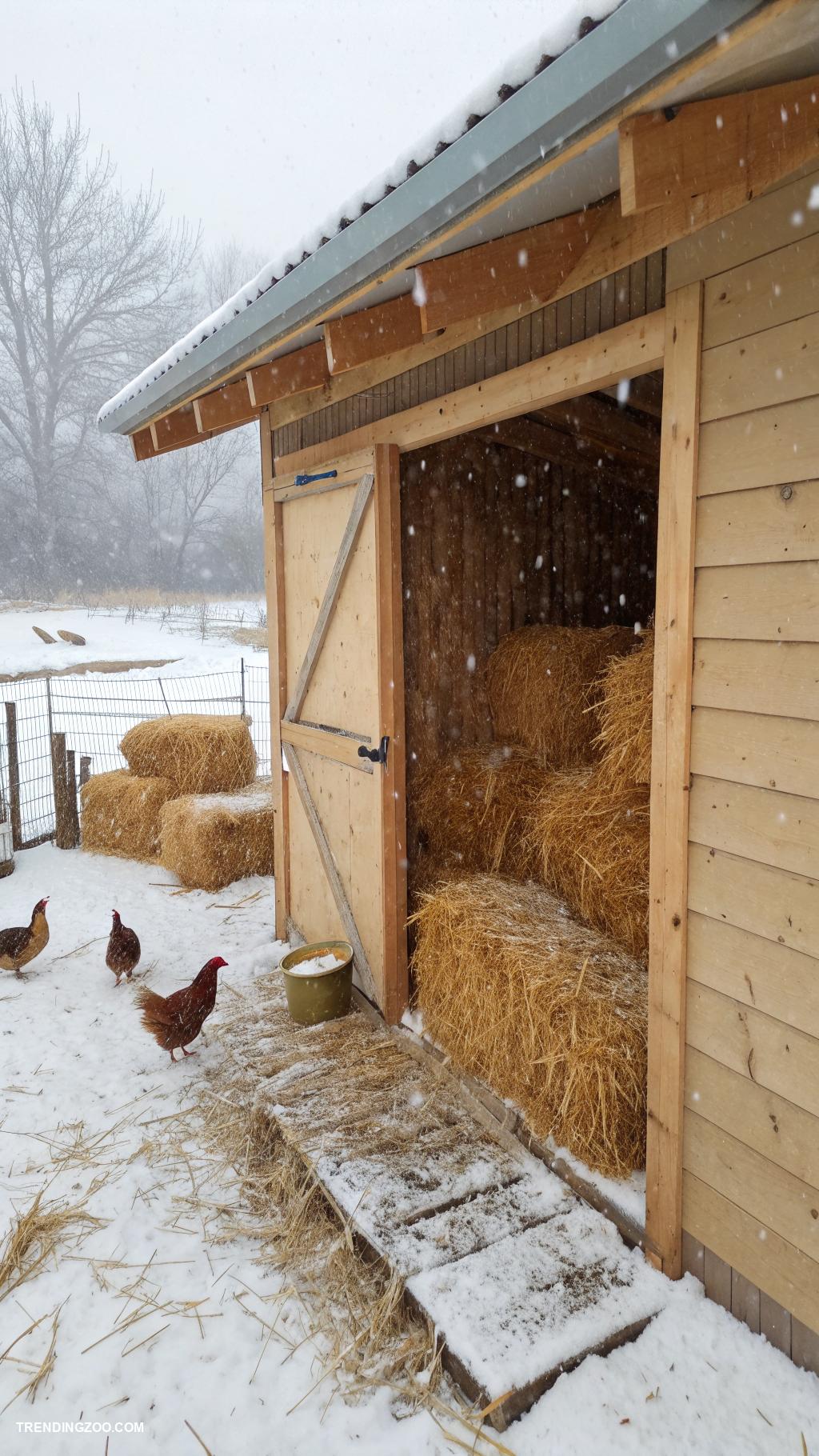
Insulating the walls of your chicken coop with straw bales is an effective and eco-friendly method to keep your feathered friends warm during the winter months. Straw bales provide excellent thermal insulation, helping to maintain a consistent temperature inside the coop while keeping out cold drafts. Additionally, straw is a sustainable material, making this solution a natural choice for those looking to winterize their coop without relying on synthetic insulators. Ensure that the bales are properly secured and positioned to maximize their insulating properties, creating a cozy haven for your chickens.
Add Heat Lamps for Warmth.
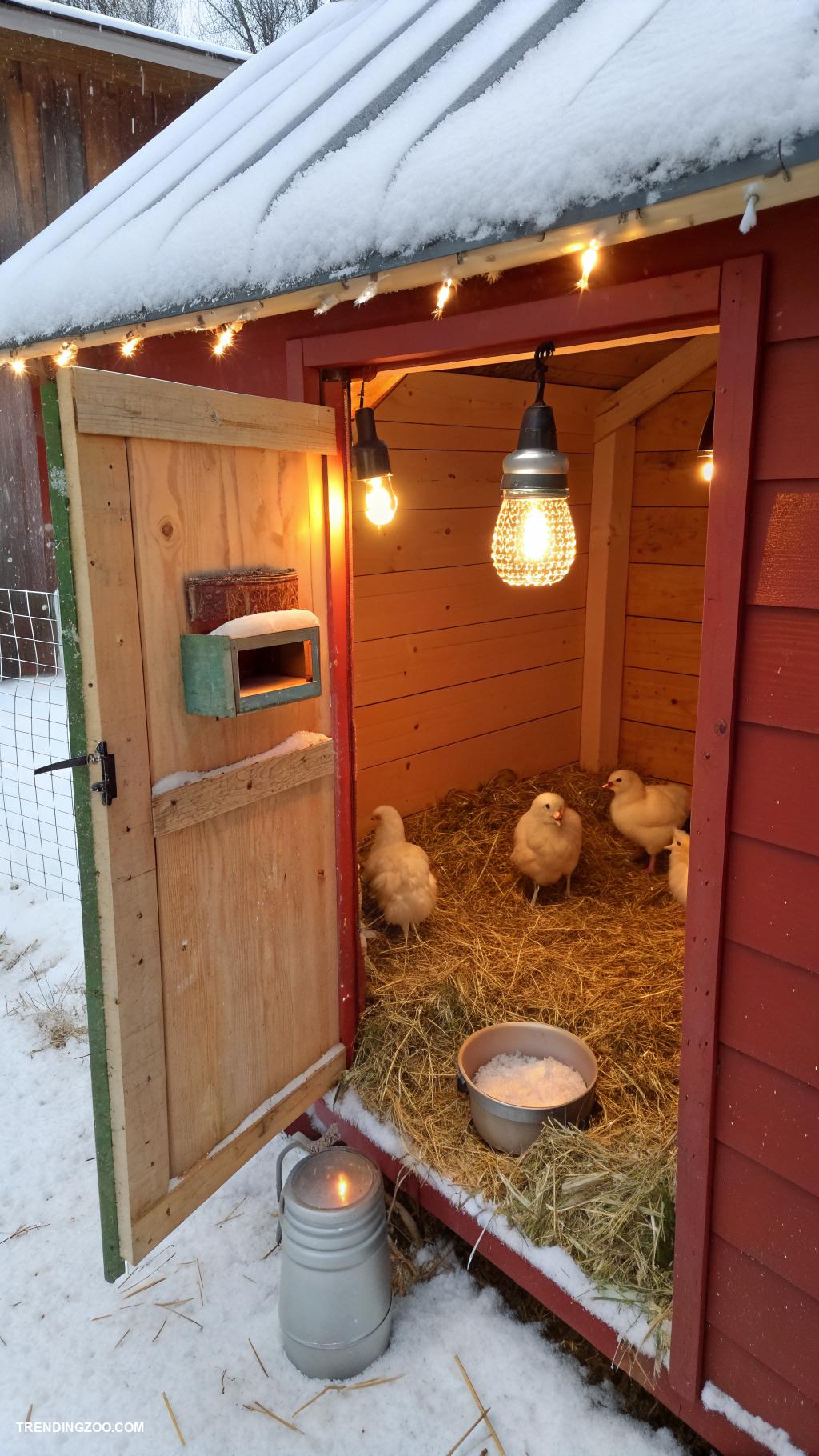
Adding heat lamps to your chicken coop can provide essential warmth during the frigid winter months, ensuring your flock remains comfortable and healthy. Position the lamps strategically to avoid direct contact with bedding or any flammable materials, reducing the risk of fire hazards. Make sure to use thermostats to regulate the temperature, preventing overheating and helping to maintain a stable environment. Adequate heat not only promotes the well-being of your chickens but also encourages consistent egg production throughout the colder season.
Use Thick Bedding for Comfort.
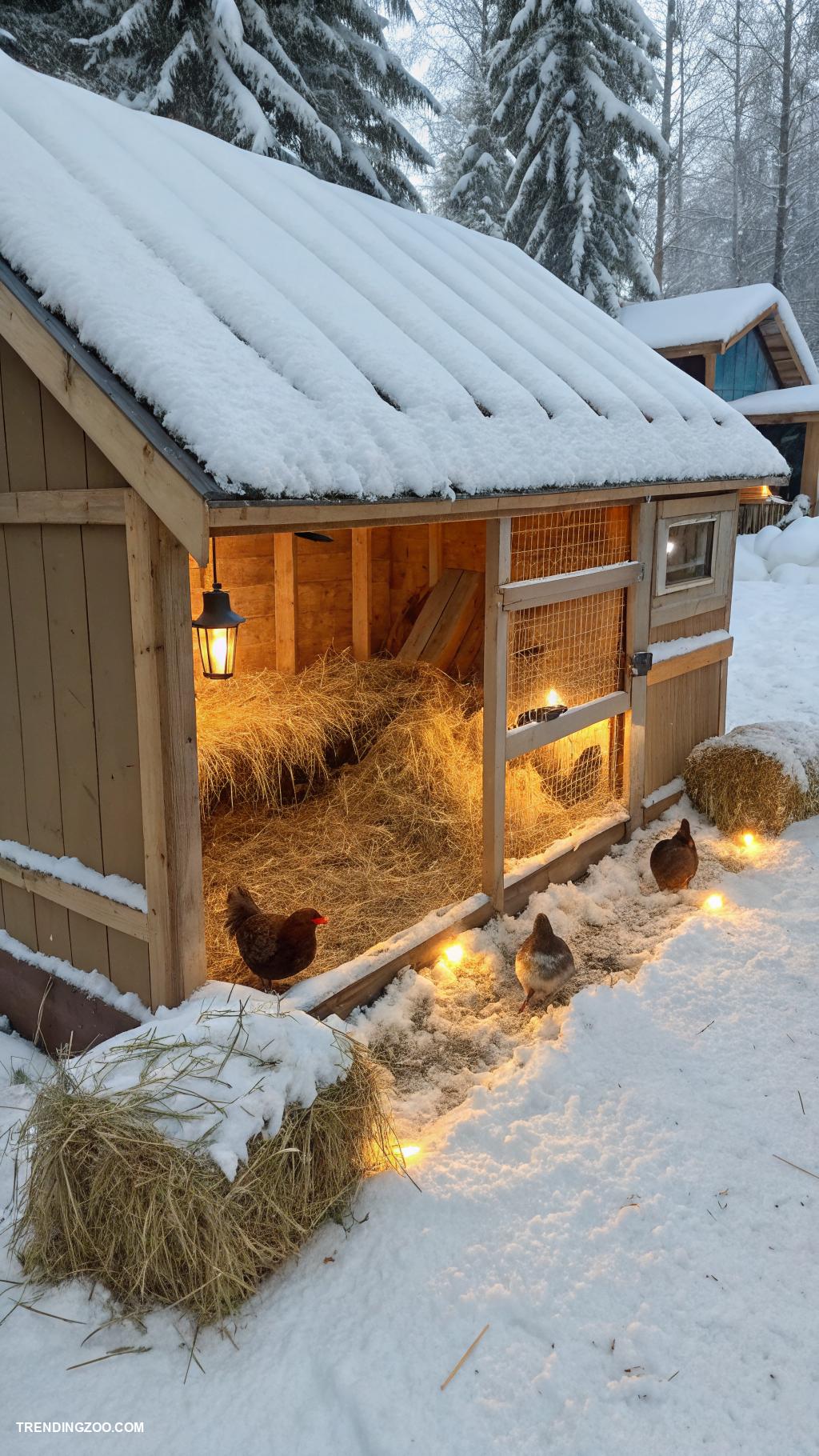
Using thick bedding in your chicken coop is essential for keeping your birds comfortable during the cold winter months. A deep layer of straw, wood shavings, or hay not only provides insulation but also helps to retain body heat. Additionally, thick bedding absorbs moisture and manure, creating a drier and healthier environment. Regularly topping off the bedding will ensure your chickens stay cozy and content all winter long.
Seal Any Drafts and Gaps.
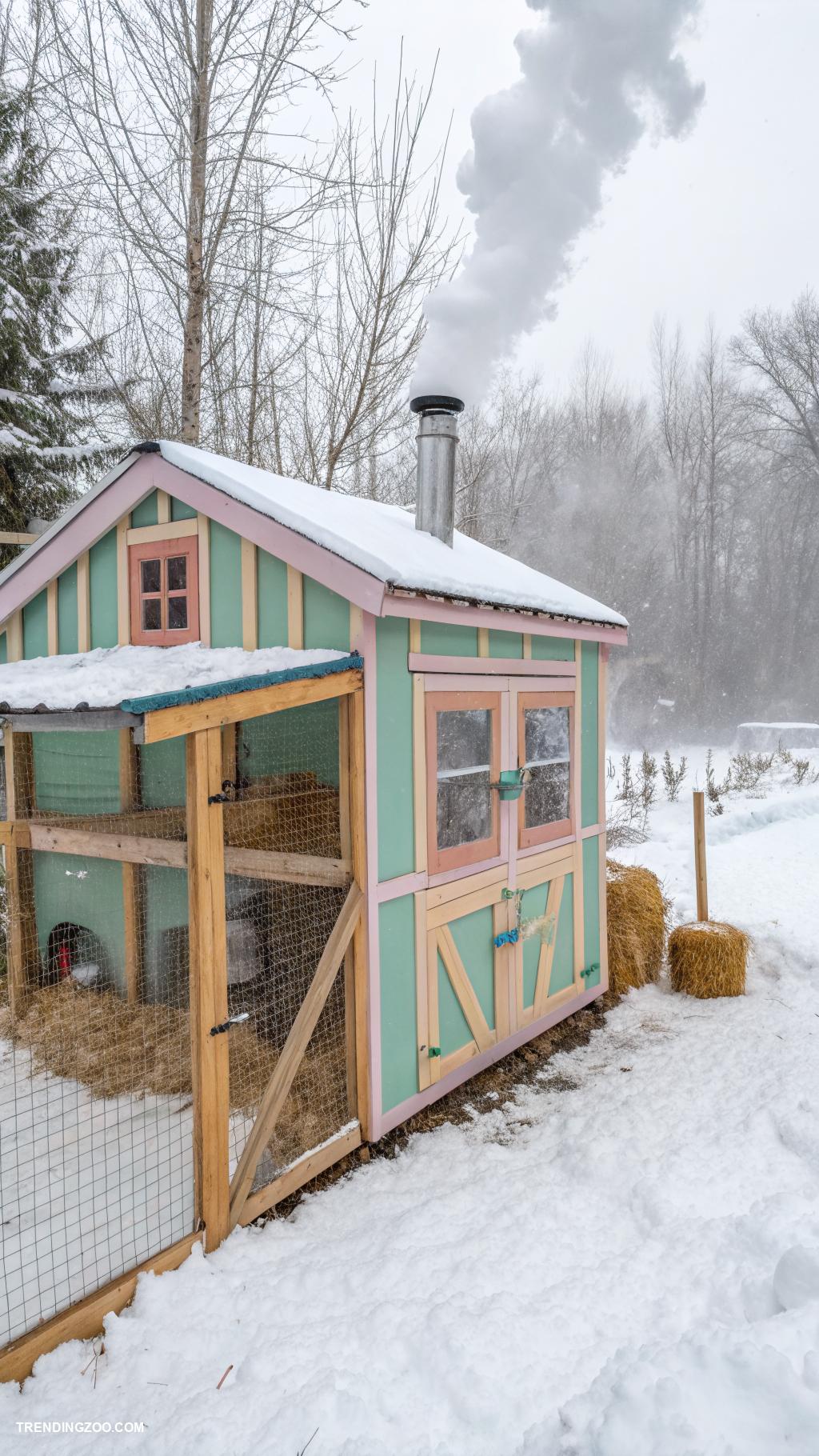
To ensure your chickens stay warm and healthy during the colder months, it’s essential to seal any drafts and gaps in the coop. Check for any cracks in the walls, gaps around doors, and openings where pipes or wires enter the building. Use weather stripping, caulk, or foam insulation to close these areas, preventing cold air from seeping in and keeping your flock comfortable. A well-insulated coop not only protects your chickens from the elements but also helps maintain a more stable internal temperature.
Provide Unfrozen Water Sources.
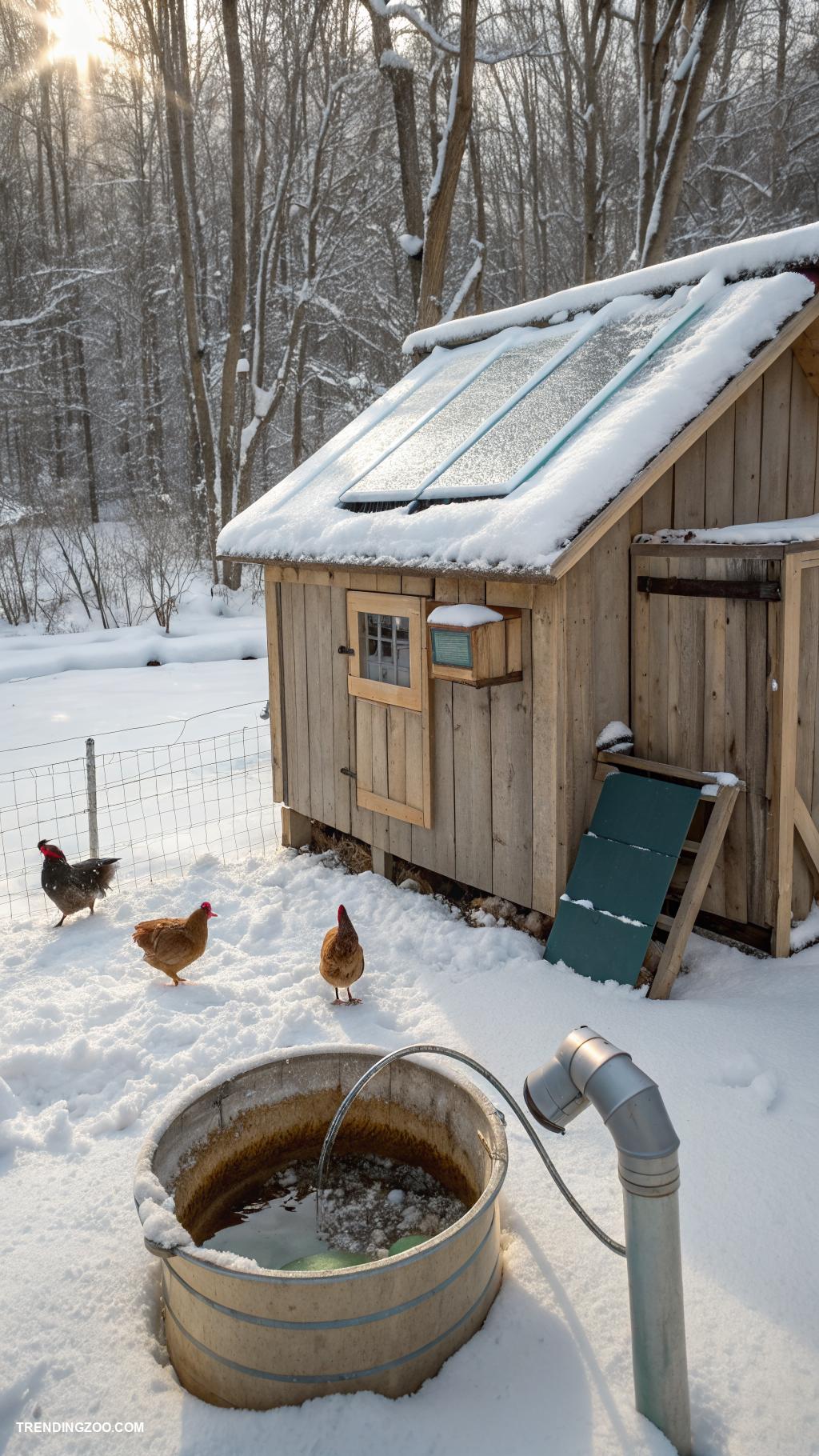
Providing unfrozen water sources is crucial for keeping your chickens healthy during the winter months. As temperatures drop, traditional waterers can freeze, leaving your birds without access to hydration. Consider using heated water bowls or insulated water containers to ensure that your chickens always have a fresh supply of water. Regularly check and refill these containers to maintain the water at an appropriate temperature, promoting their overall well-being even in the cold.
Install Windbreaks Outside Coop.
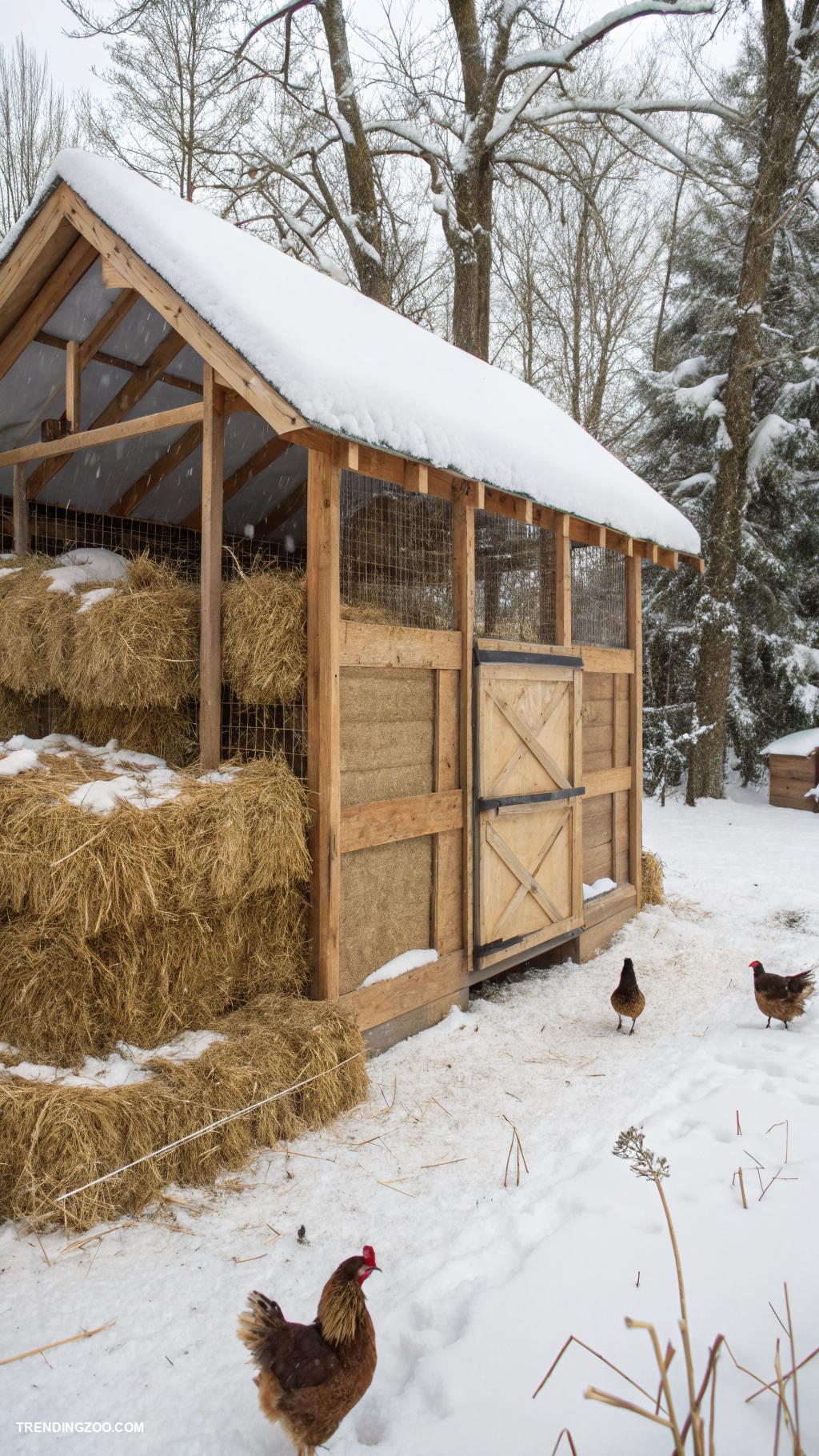
Installing windbreaks outside your chicken coop is an essential step in winterizing your space for your feathered friends. These barriers can be made from hay bales, wooden panels, or specialized windbreak fabric, and serve to shield your flock from harsh winter winds and chill. By reducing exposure to cold gusts, you help maintain a stable temperature inside the coop, ensuring your chickens remain comfortable and healthy throughout the winter months. Moreover, windbreaks can also help protect feed from being blown away, making it easier to maintain a steady supply during colder weather.
Ensure Proper Ventilation for Airflow.
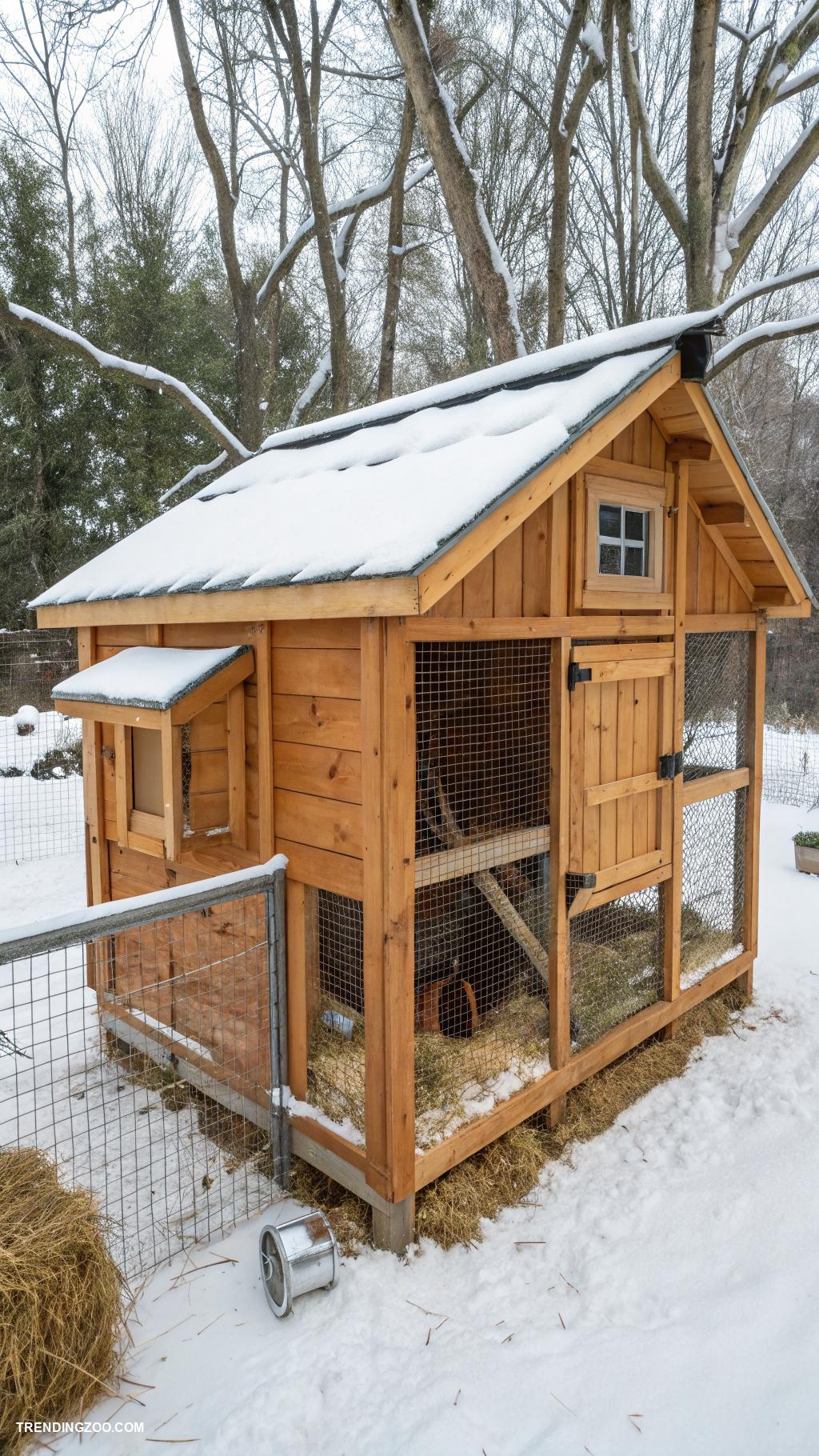
Proper ventilation is crucial for maintaining a healthy environment in your chicken coop during the winter months. Adequate airflow helps to prevent moisture build-up, which can lead to respiratory issues and frostbite in your birds. Installing vents or windows that can be adjusted allows fresh air to circulate while keeping out drafts that could chill your flock. Be sure to position the ventilation openings high up in the coop to ensure warm, humid air escapes while cooler air enters from lower areas.
Cover Windows with Plastic Film.
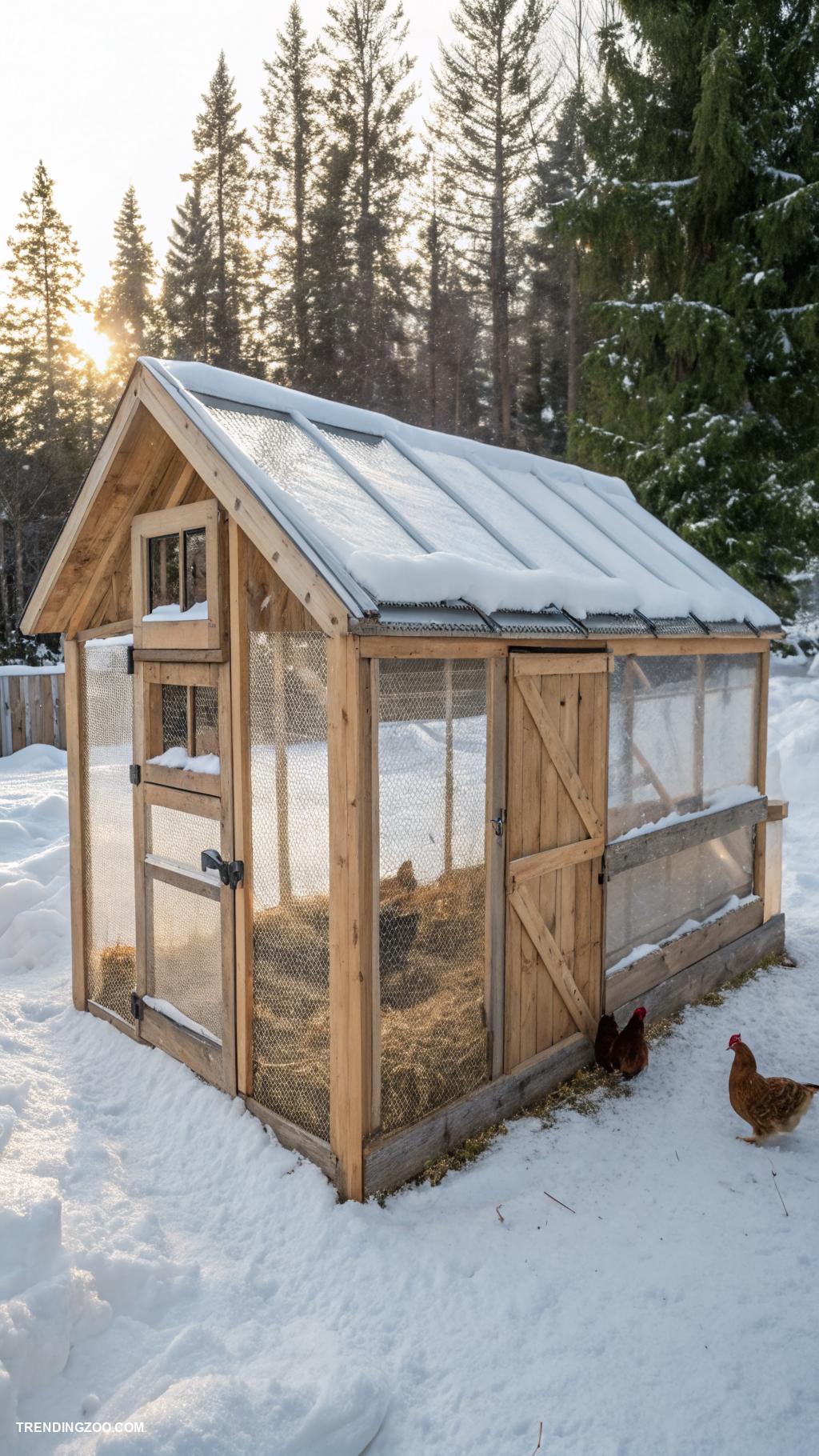
Covering windows with plastic film is an effective way to winterize your chicken coop, providing an added layer of insulation against the cold. This transparent barrier helps to retain heat while still allowing natural light to enter, which is essential for the well-being of your chickens. Make sure to securely attach the film to prevent drafts and moisture buildup, ensuring a comfortable environment during the colder months. Regularly check the film for any signs of wear or damage, replacing it as needed to maintain optimal conditions.
Use Deep Litter Method for Warmth.
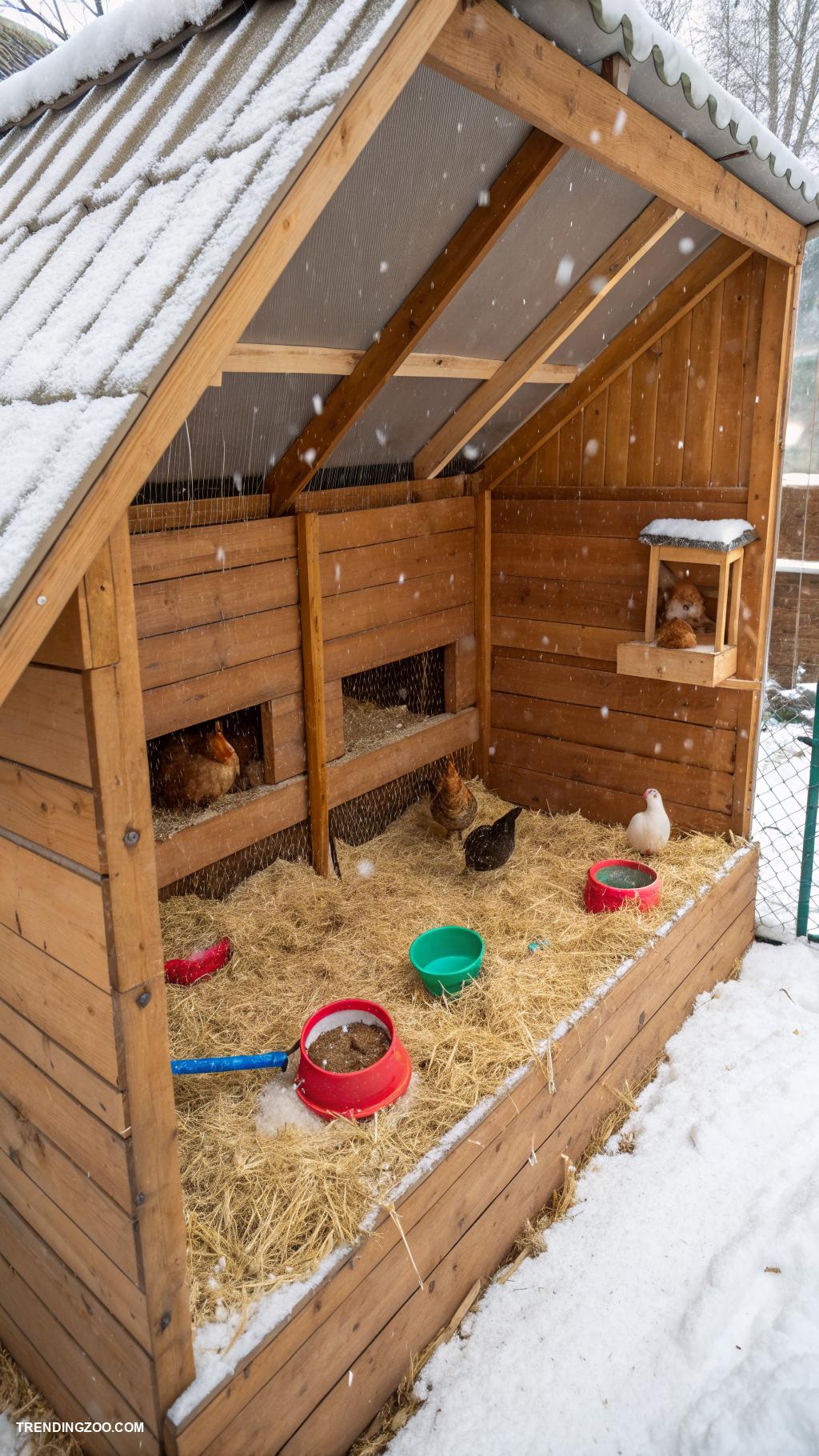
The deep litter method is an effective way to provide warmth in your chicken coop during the winter months. By allowing a thick layer of bedding materials, such as straw or wood shavings, to accumulate on the floor, you create an insulated barrier that helps retain heat. As the materials break down, they generate heat through composting, further enhancing the cozy environment for your chickens. This method not only keeps your flock warm but also simplifies cleaning, as the litter can be removed and replaced periodically.
Offer Extra Food for Energy.
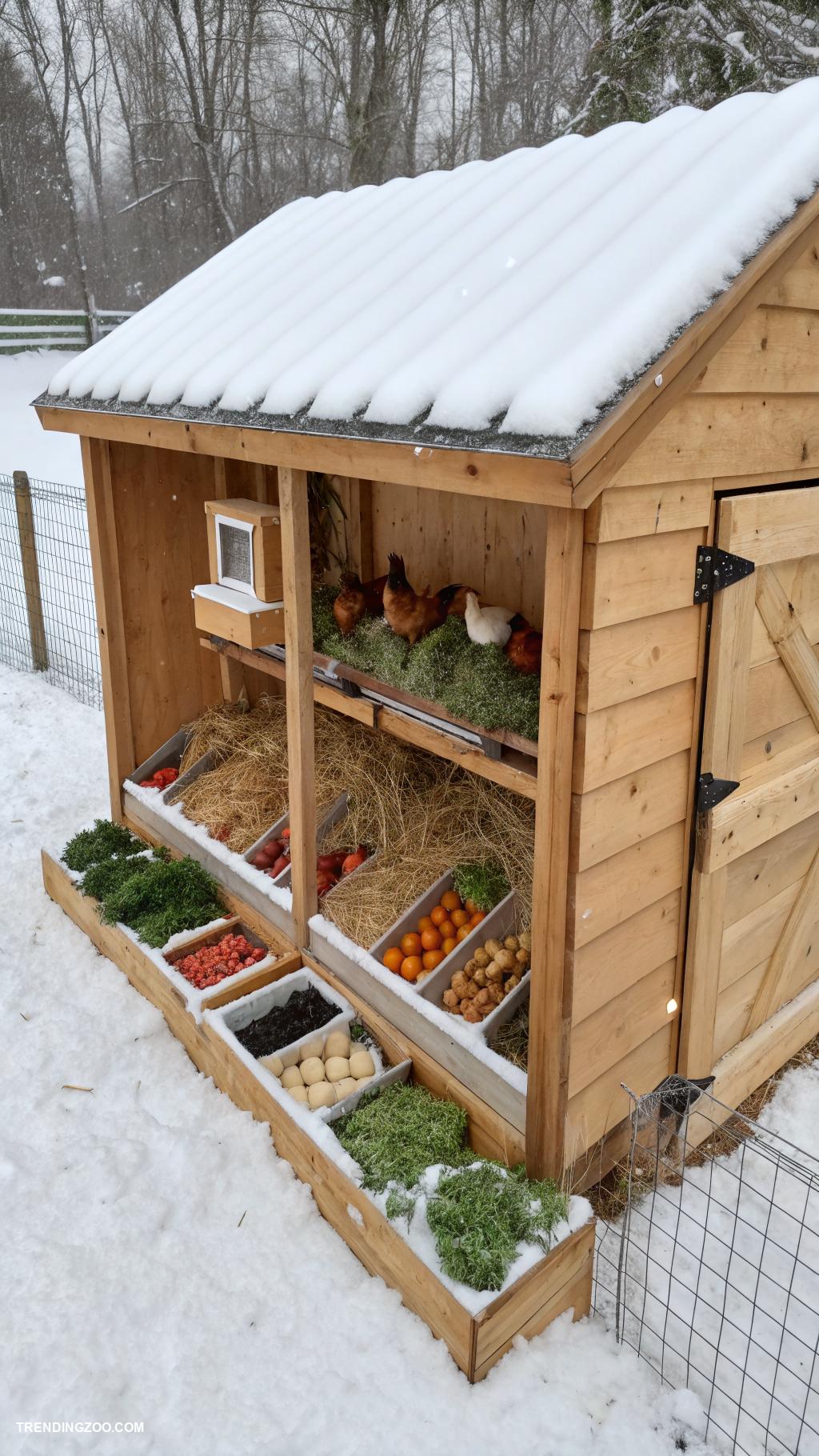
Offering extra food for energy is crucial during the winter months when chickens require more sustenance to maintain body heat. High-quality poultry feed can be supplemented with cracked corn or other energy-rich snacks to help them cope with colder temperatures. This added nutrition improves their overall health and keeps them active, even in harsh weather conditions. Ensuring they have a warm, insulated coop, along with plenty of food, will help your flock thrive all winter long.