
Turtles have been a beloved and fascinating pet for centuries, offering a unique and rewarding companionship experience that many animal lovers can’t resist. From the gentle giants of the saltwater aquarium to the slow-moving, shell-shocked residents of the desert, turtles have captivated humans with their slow, steady pace and endearing demeanor.
With over 200 species to choose from, there’s a turtle species to suit every lifestyle and personality, making them an ideal choice for both experienced turtle enthusiasts and those new to the world of reptile-keeping.
Whether you’re looking to add a new member to your family or simply want to explore the fascinating world of turtles, this article will explore some of the best pet turtle ideas to consider.

Robo Alive Robo Turtle Robotic Swimming Turtle (Green + Pink) by ZURU Water Activated, Comes with Batteries, Exclusive (2 Pack)
Check Price on AmazonChoose a Small Breed for Easy Care.
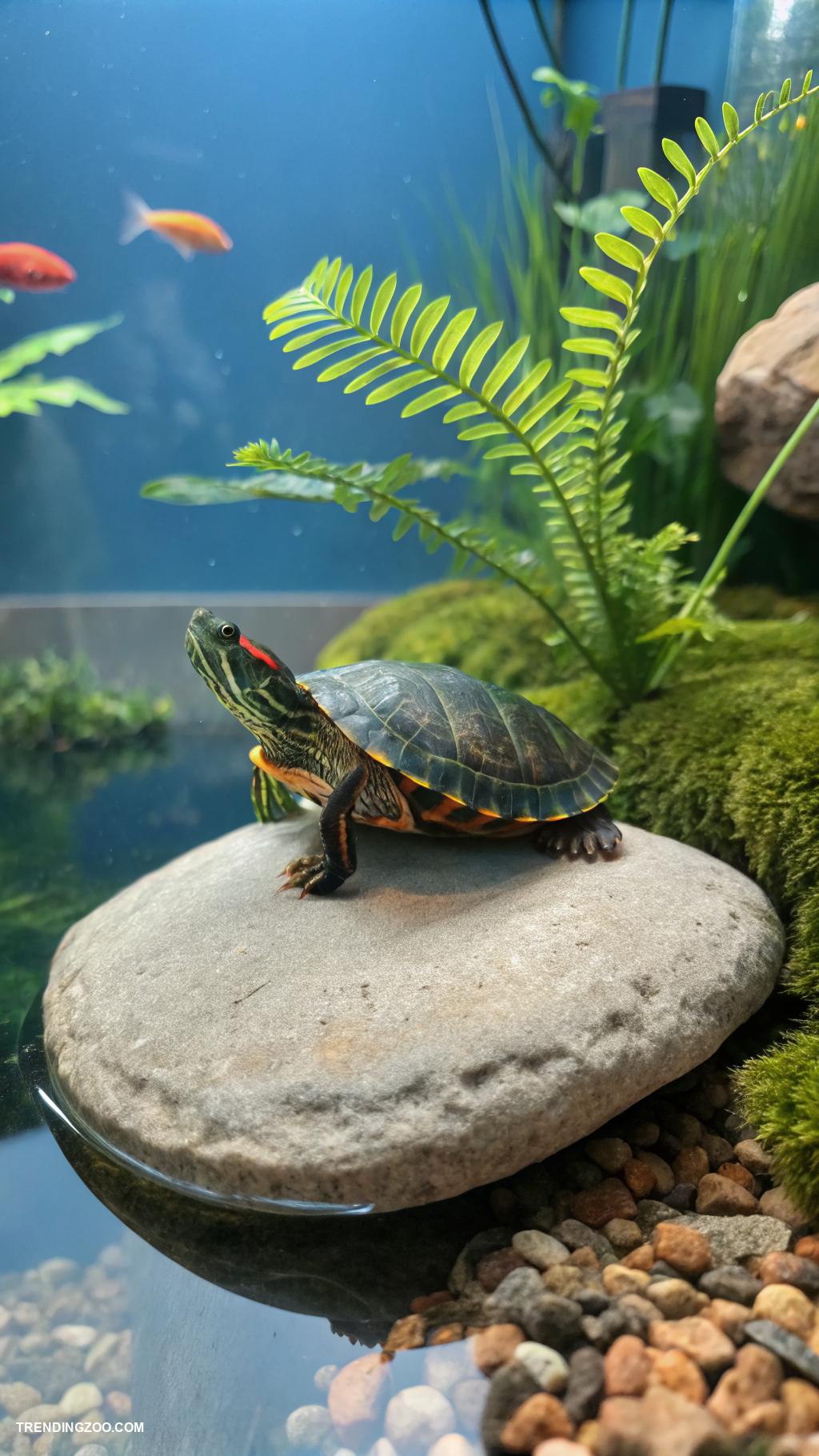
When considering a pet turtle, small breeds such as the Eastern Box Turtle or the Red-Eared Slider are excellent choices for easy care. These turtles typically require less space and simpler habitats compared to larger species, making them ideal for first-time owners. Maintaining their environment can be straightforward, as they thrive in well-filtered water and a warm basking area. With the right care and attention, small turtles can be delightful companions that are relatively low-maintenance.
Create a Vibrant Aquatic Habitat.
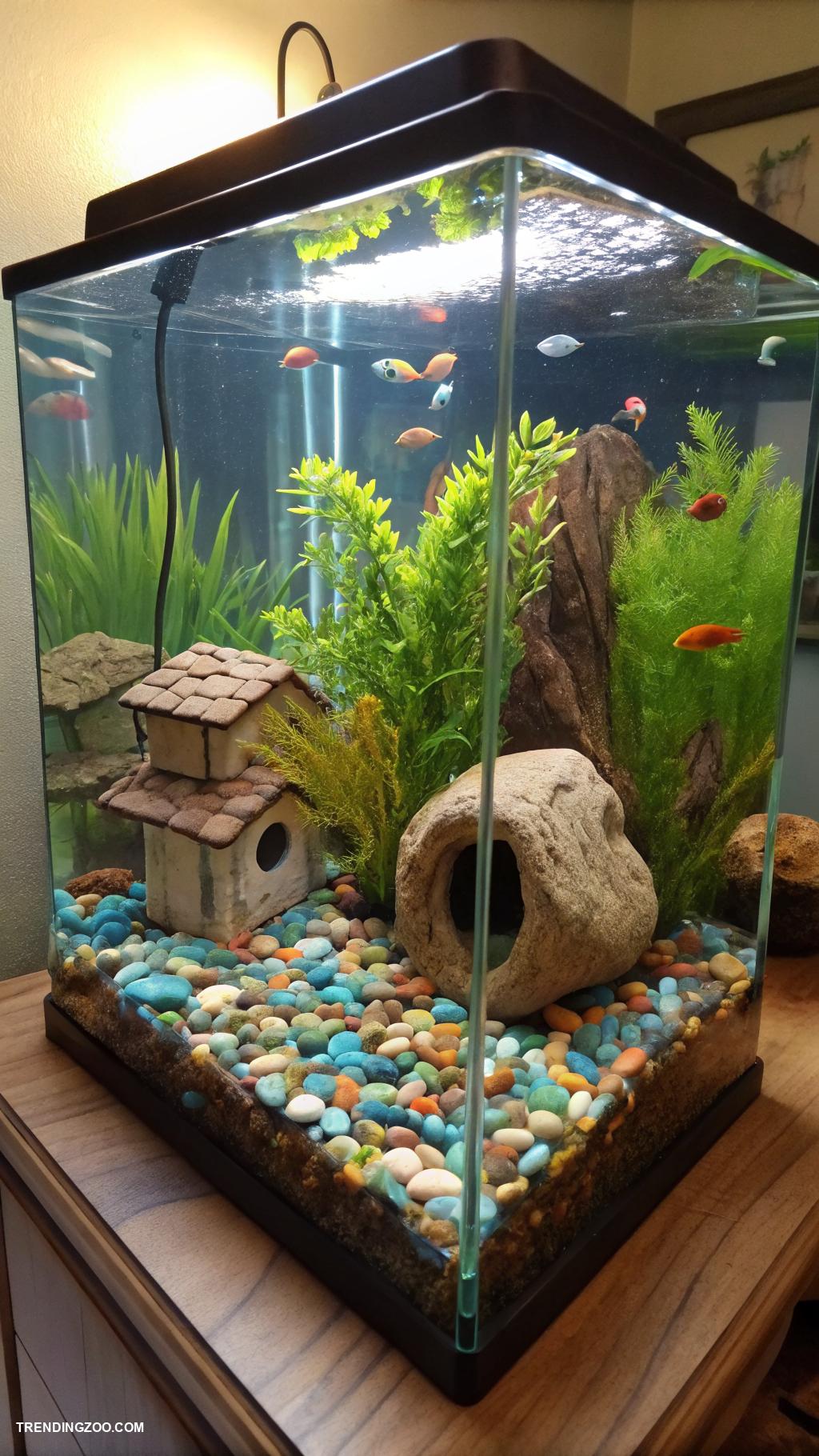
Creating a vibrant aquatic habitat for your pet turtle is essential for their health and well-being. Start by selecting a spacious aquarium filled with clean, dechlorinated water, ensuring it’s deep enough for swimming and exploring. Incorporate natural elements such as plants, rocks, and logs to provide hiding spots and basking areas, mimicking their natural environment. Additionally, maintain proper water temperature and filtration to keep the habitat clean and thriving, fostering a lively ecosystem for your turtle to thrive in.
Incorporate Natural Plants in the Enclosure.
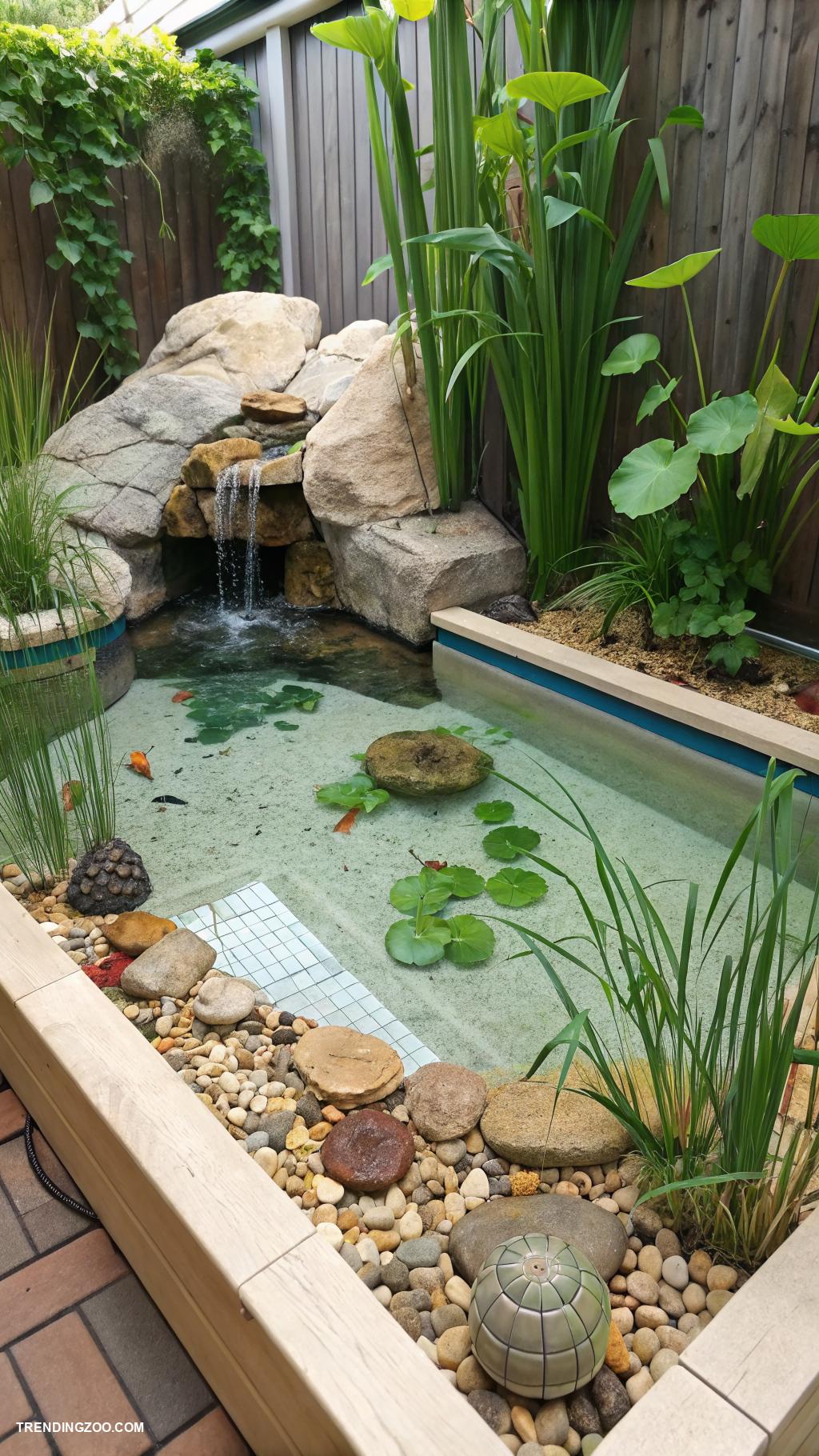
Incorporating natural plants in your turtle enclosure not only enhances its aesthetics but also creates a more stimulating environment for your pet. Aquatic plants can provide hiding spots, resting areas, and help maintain water quality by absorbing excess nutrients. Additionally, some plants can serve as a food source, enriching your turtle’s diet with fresh greens. When selecting plants, ensure they are non-toxic and suitable for the specific type of turtle you have.
Design a Basking Area with Heat Lamp.
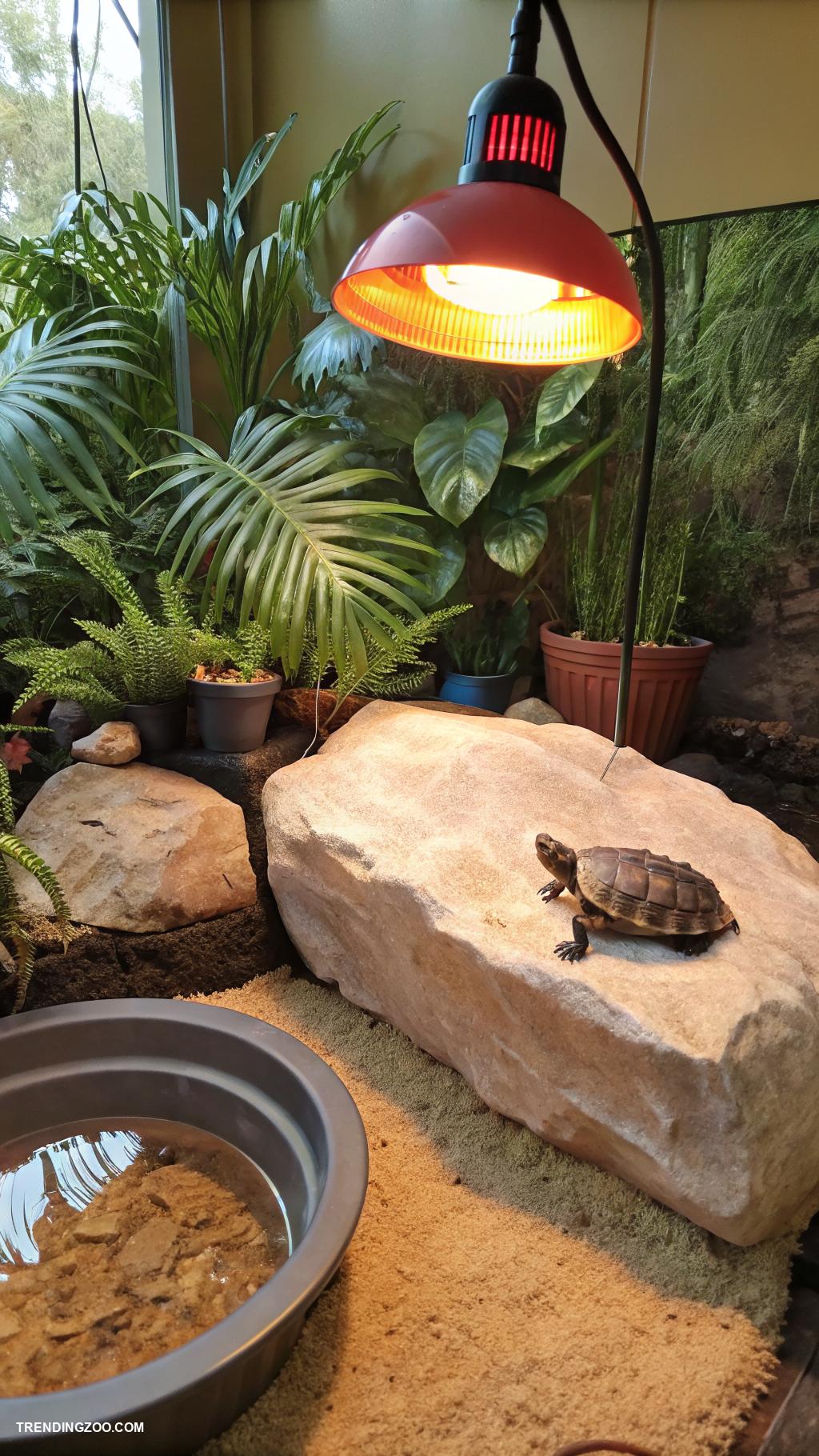
Creating a basking area for your pet turtle is essential for its health and well-being. Start by selecting a flat, stable surface where your turtle can comfortably climb and rest. Install a heat lamp above this area to provide a warm environment, mimicking natural sunlight. Make sure the temperature reaches 85-95°F (29-35°C) to encourage basking, and always include a water source nearby for hydration and swimming.
Feed a Balanced Diet of Pellets and Greens.
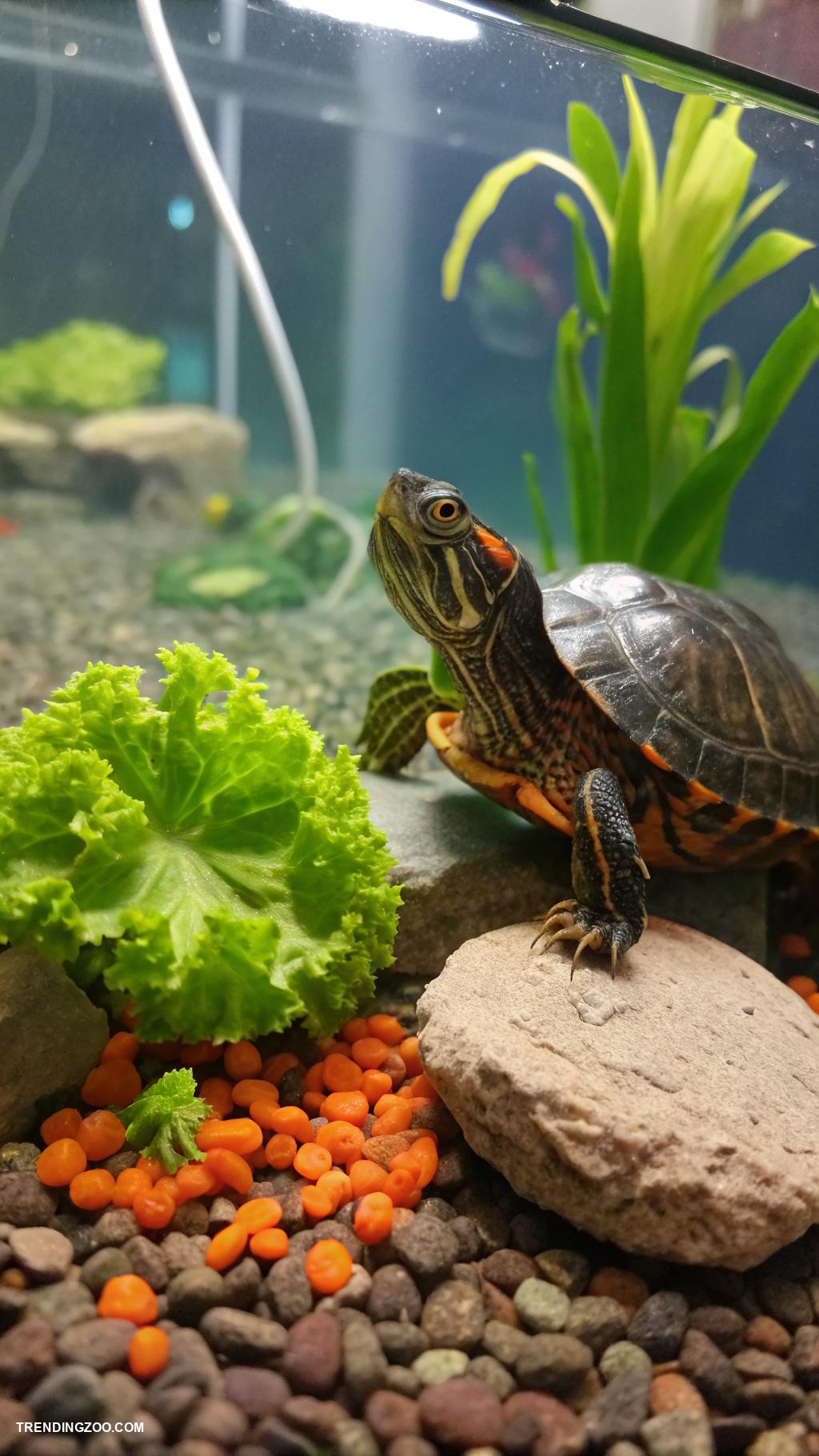
A balanced diet is essential for maintaining the health and vitality of your pet turtle. Offering a mix of high-quality pellets formulated for turtles alongside fresh greens ensures they receive the necessary nutrients for optimal growth and well-being. Leafy vegetables like romaine lettuce and kale can provide vitamins and minerals, while pellets supply essential proteins and calcium. Always remember to introduce new foods gradually and monitor your turtle’s preferences to ensure a varied and enjoyable diet.
Monitor Water Temperature for Comfort.
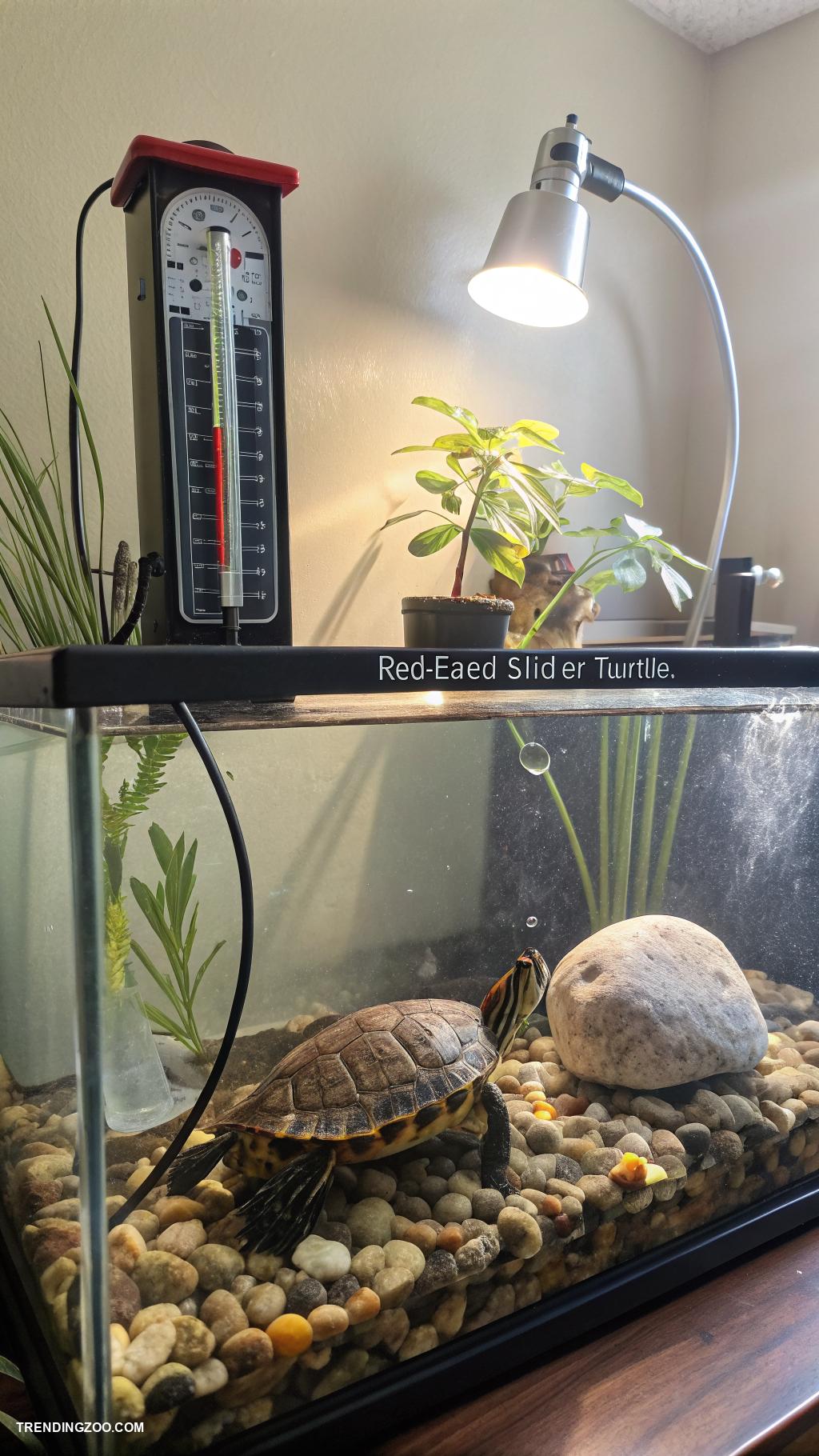
Monitoring water temperature is essential for your pet turtle’s comfort and health. Turtles thrive in specific temperature ranges, typically between 75°F to 80°F, so using a reliable thermometer is crucial. Consistent water temperatures help to regulate their metabolism and promote overall well-being, preventing stress and health issues. Regular checks and adjustments ensure your turtle enjoys a comfortable environment, making for a happy and active pet.
Provide Hiding Spots for Security.
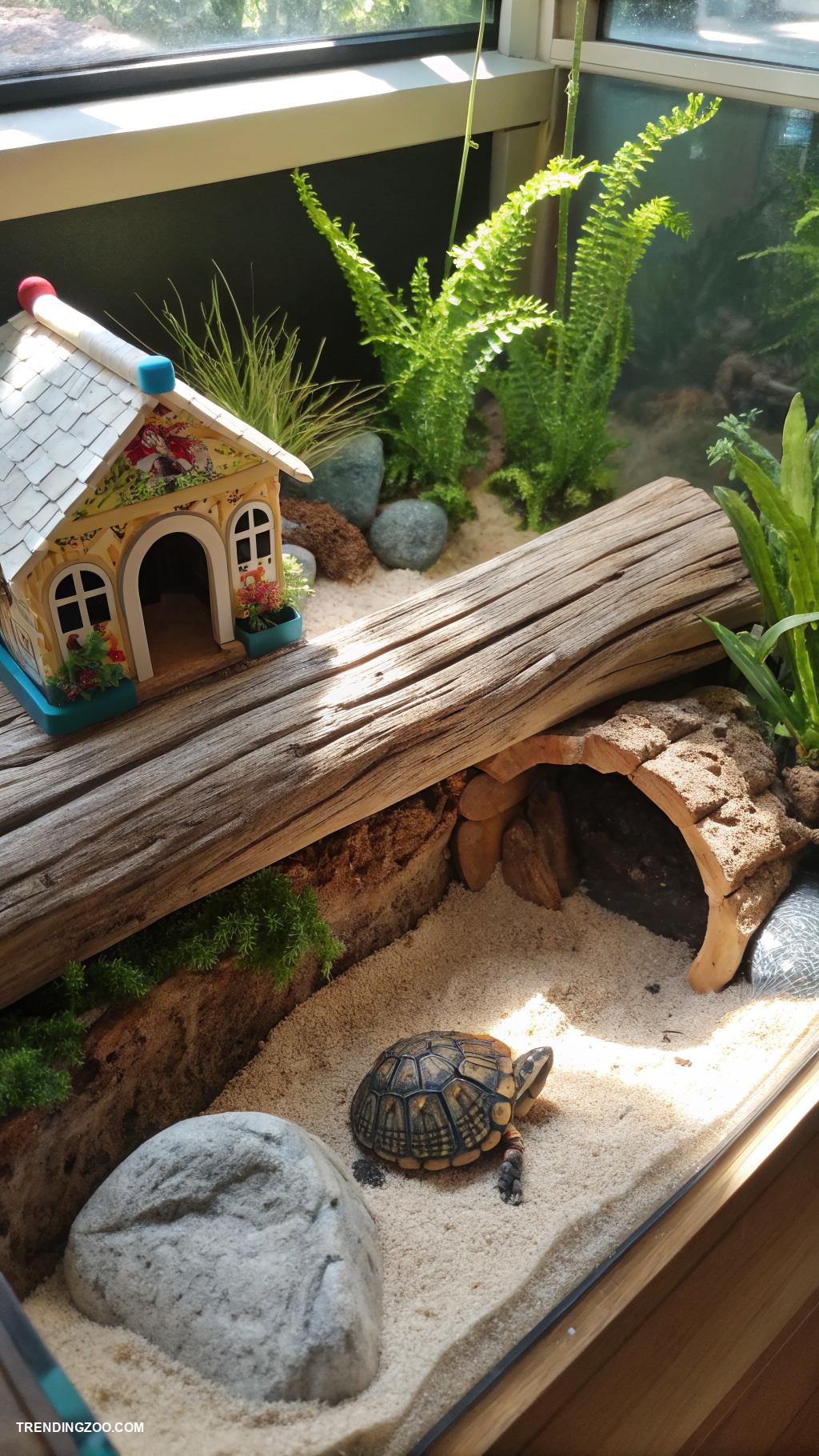
Providing hiding spots for your pet turtle is essential for its well-being and security. Turtles are naturally shy creatures, and having places to retreat can help reduce stress and mimic their natural habitat. Consider adding caves, thick aquatic plants, or even decorated rocks in their enclosure. These hiding spots not only offer a sense of safety but also encourage natural behaviors, promoting a healthier and happier pet.
Keep Tank Clean to Prevent Diseases.
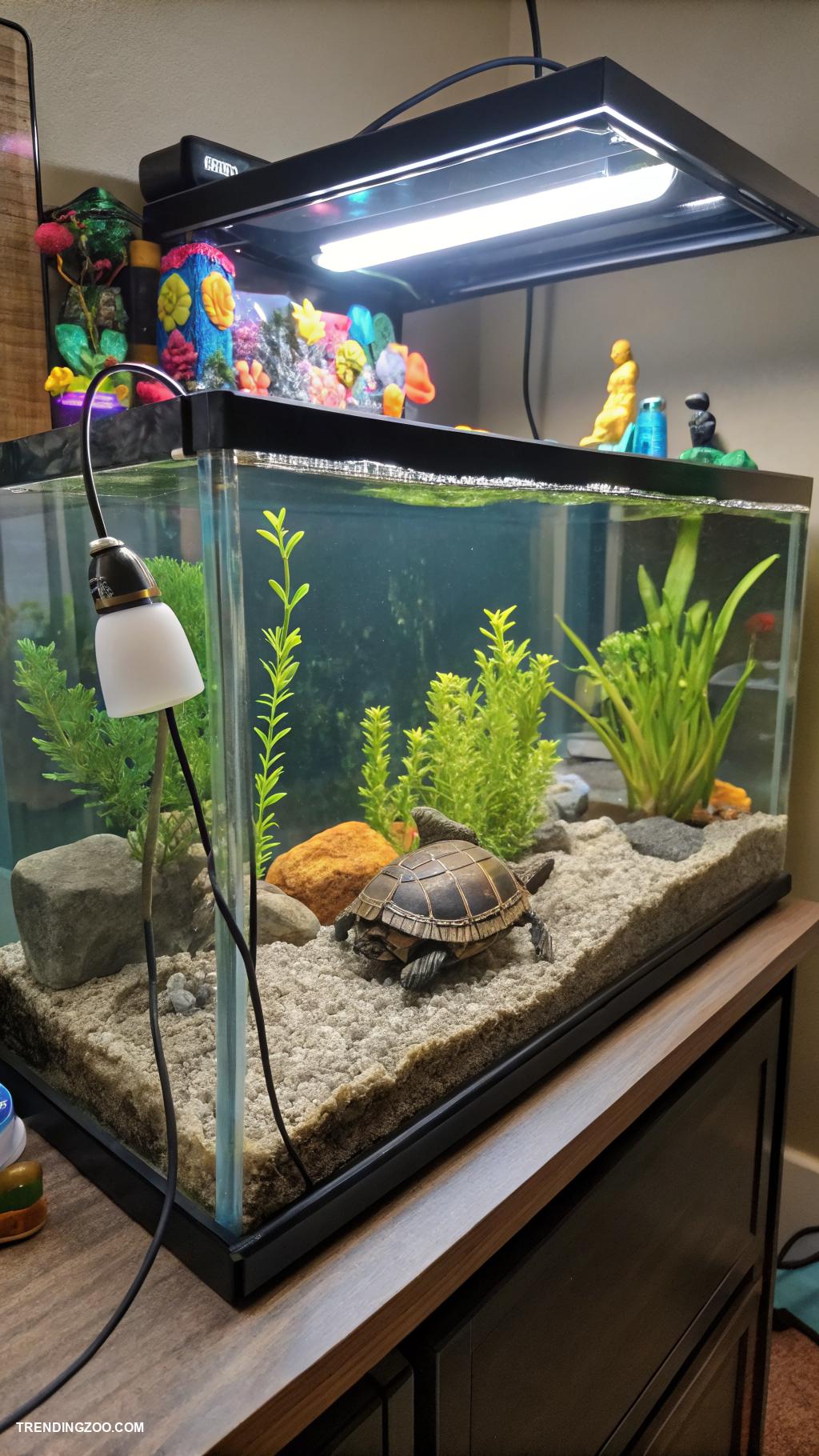
Keeping your turtle’s tank clean is crucial for preventing diseases and promoting overall health. Regularly removing uneaten food, waste, and debris helps prevent harmful bacteria from proliferating in the environment. A clean habitat not only reduces the risk of infections but also encourages natural behaviors and a happy disposition in your pet turtle. Implementing a proper cleaning schedule and ensuring good water quality are key steps in maintaining a thriving home for your shelled companion.
Educate on Proper Turtle Handling Techniques.
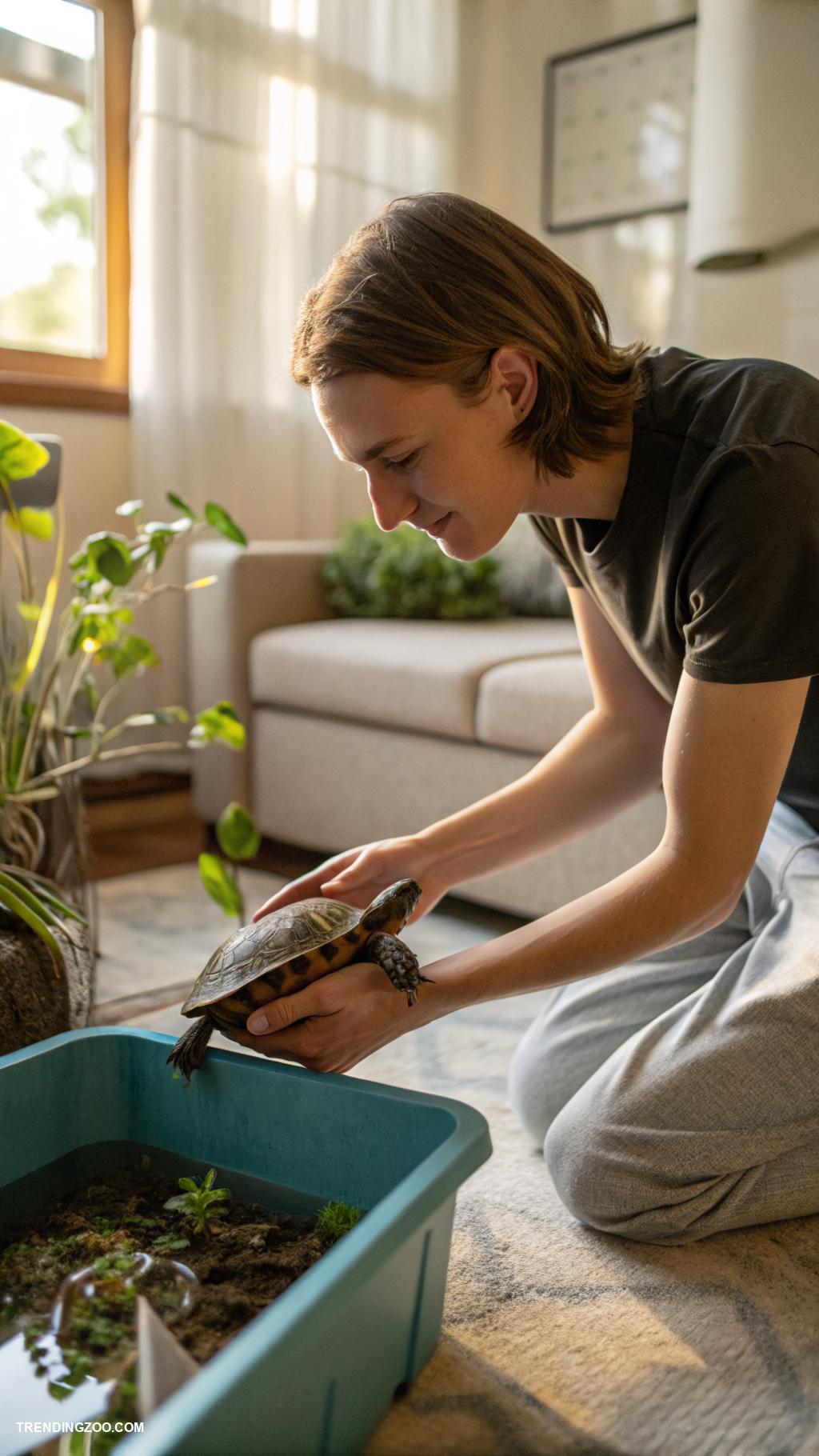
Proper turtle handling techniques are essential to ensure the safety and comfort of your pet. Always wash your hands before and after handling to prevent the spread of bacteria. Support the turtle’s body by placing one hand on its shell while cupping its legs with the other, avoiding sudden movements that could stress it. Additionally, keep handling sessions brief to reduce the risk of causing anxiety and allow your turtle to acclimate to its environment gradually.
Learn Local Laws About Pet Turtles.
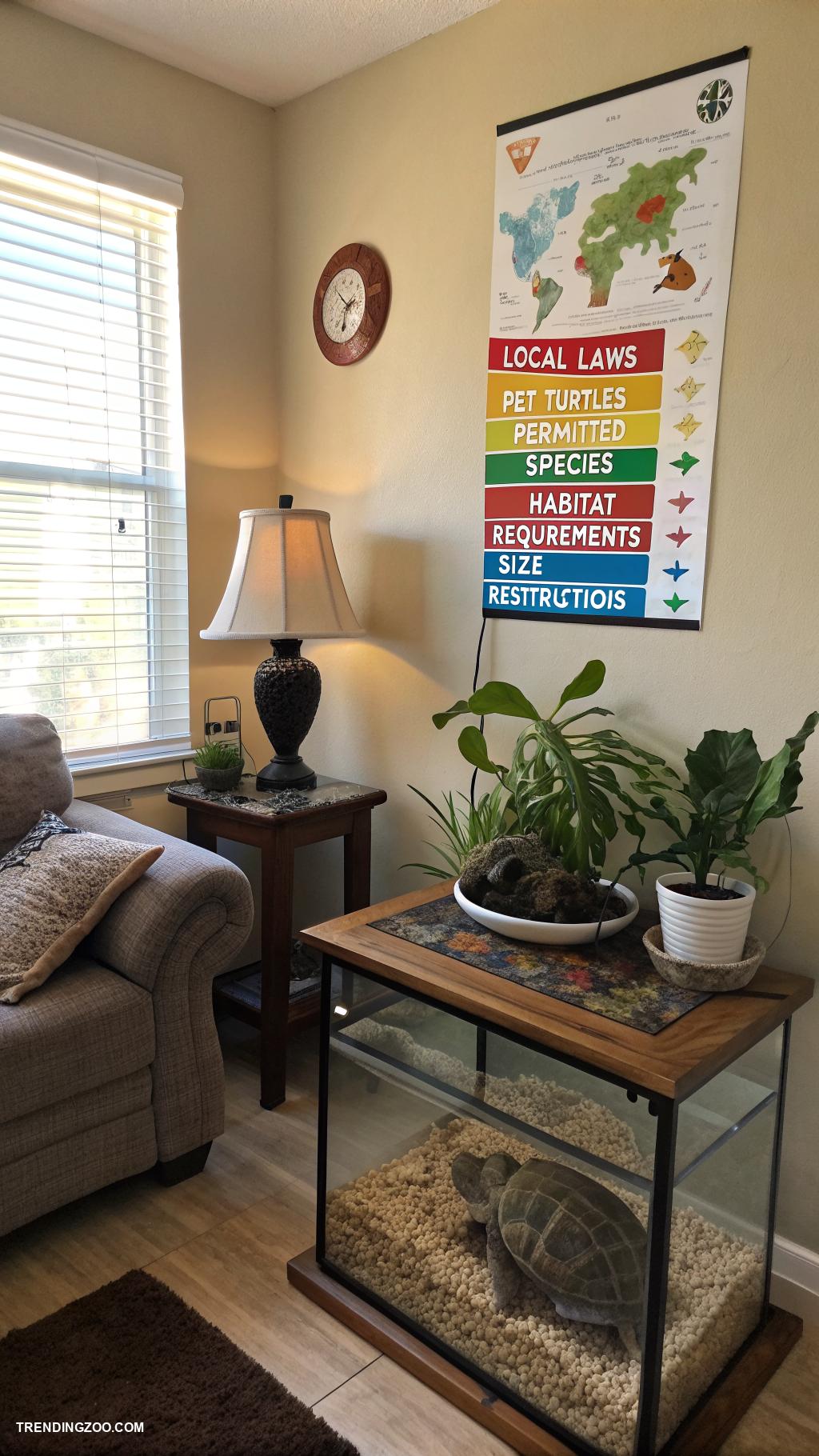
Before bringing a pet turtle into your home, it’s crucial to research local laws and regulations regarding turtle ownership. Some regions have specific guidelines about which turtle species can be kept as pets, as well as size and habitat requirements. Additionally, certain species may be entirely prohibited due to their status as invasive animals or conservation concerns. Understanding these laws will help ensure that you are compliant and can provide the best care for your pet turtle.