

As the demand for sustainable and eco-friendly farming practices continues to grow, piggery farm design is becoming increasingly important for farmers looking to raise happy and healthy pigs while minimizing their environmental impact. A well-designed piggery farm not only ensures the physical and mental well-being of the pigs, but also boosts productivity and profitability.
From free-range pens to state-of-the-art confinement systems, there are countless options to consider when designing a piggery farm. In this article, we’ll explore some innovative and practical piggery farm design ideas that will inspire you to create a thriving and sustainable pig farming operation.

Modern Farm Buildings - Being Suggestions for the Most Approved Ways of Designing the Cow Barn, Dairy, Horse Barn, Hay Barn, Sheepcote, Piggery, ... House, and Other Buildings of the Farm Group
Check Price on AmazonOpen-Air Pig Barn for Natural Ventilation
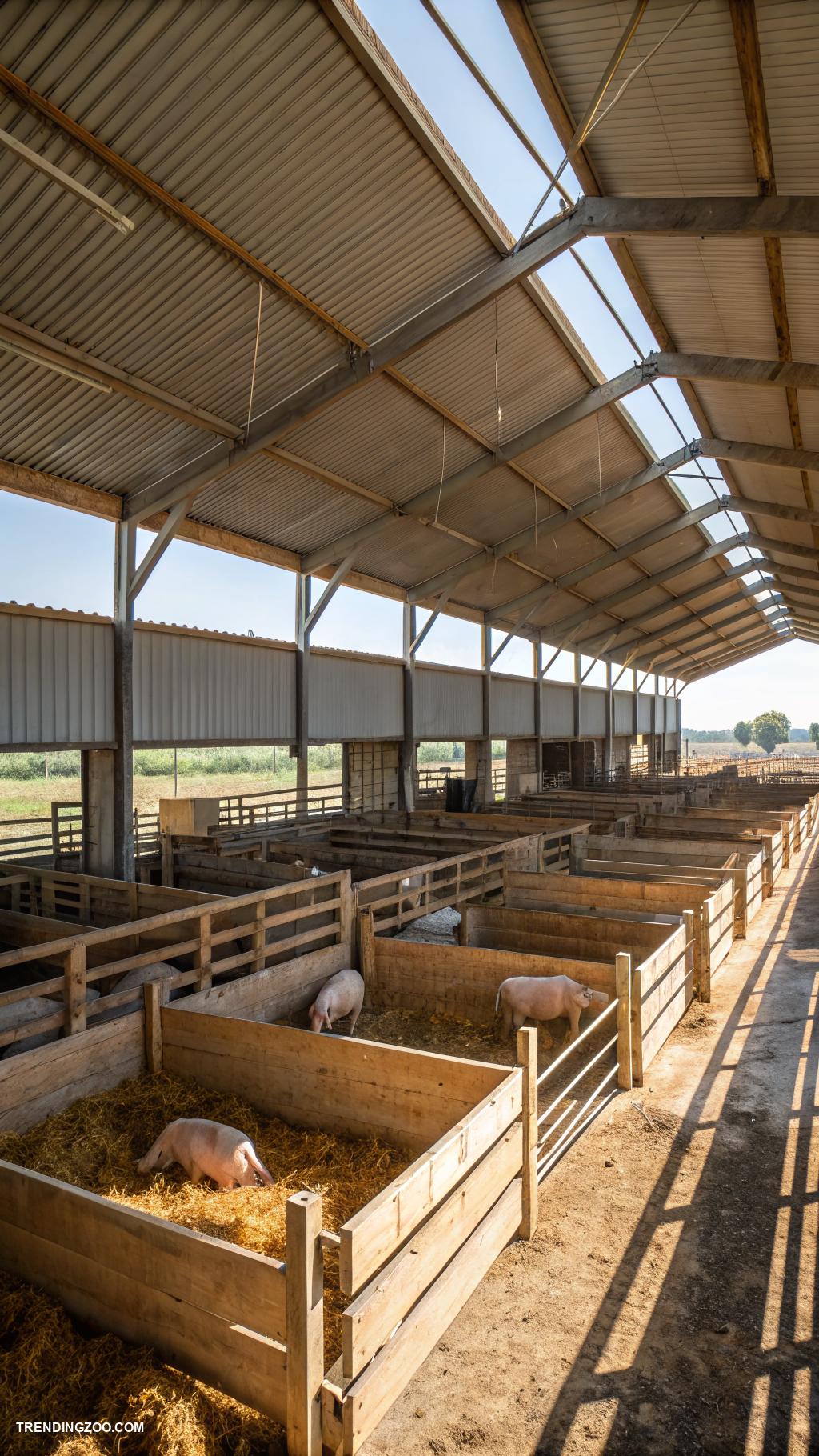
An open-air pig barn is designed to optimize natural ventilation, creating a comfortable and healthy environment for pigs. This structure typically features elevated floors and large openings such as windows and eaves, allowing for fresh air circulation while providing protection from harsh weather conditions. The layout encourages a flow of air that helps reduce humidity and prevent the buildup of harmful gases, improving overall herd health. Such designs not only enhance animal welfare but also promote efficient waste management through natural processes.
Raised Platforms for Pigs to Play
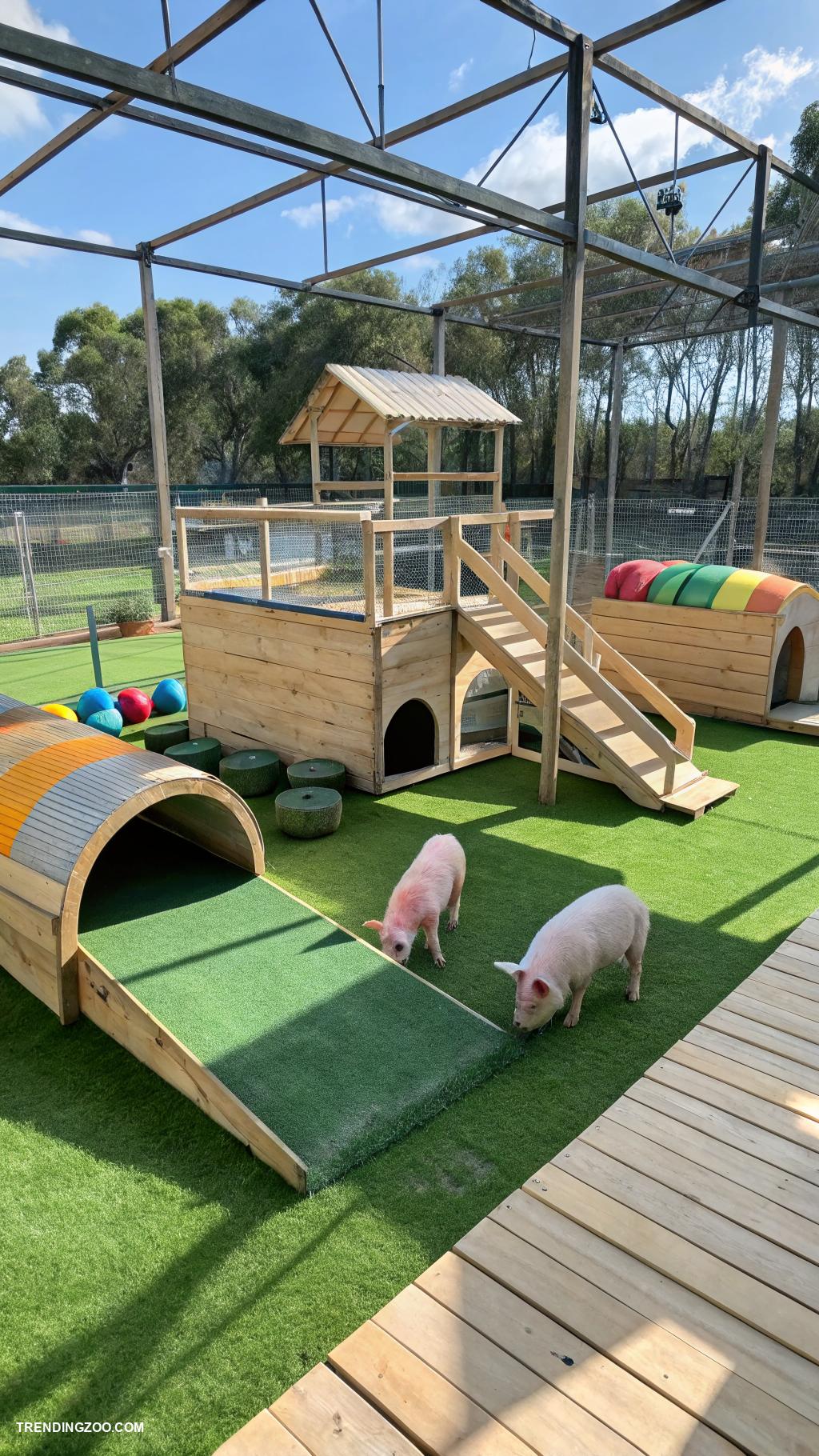
Raised platforms in piggery farm design provide pigs with stimulating environments to encourage play and exercise. These elevated structures allow pigs to explore different heights, promoting natural behaviors such as rooting, climbing, and social interaction. Additionally, raised platforms help improve hygiene by reducing direct contact with waste, ensuring a cleaner living space. Incorporating such features not only enhances the pigs’ well-being but also contributes to their overall health and happiness on the farm.
Indoor Pig Pens with Heated Floors
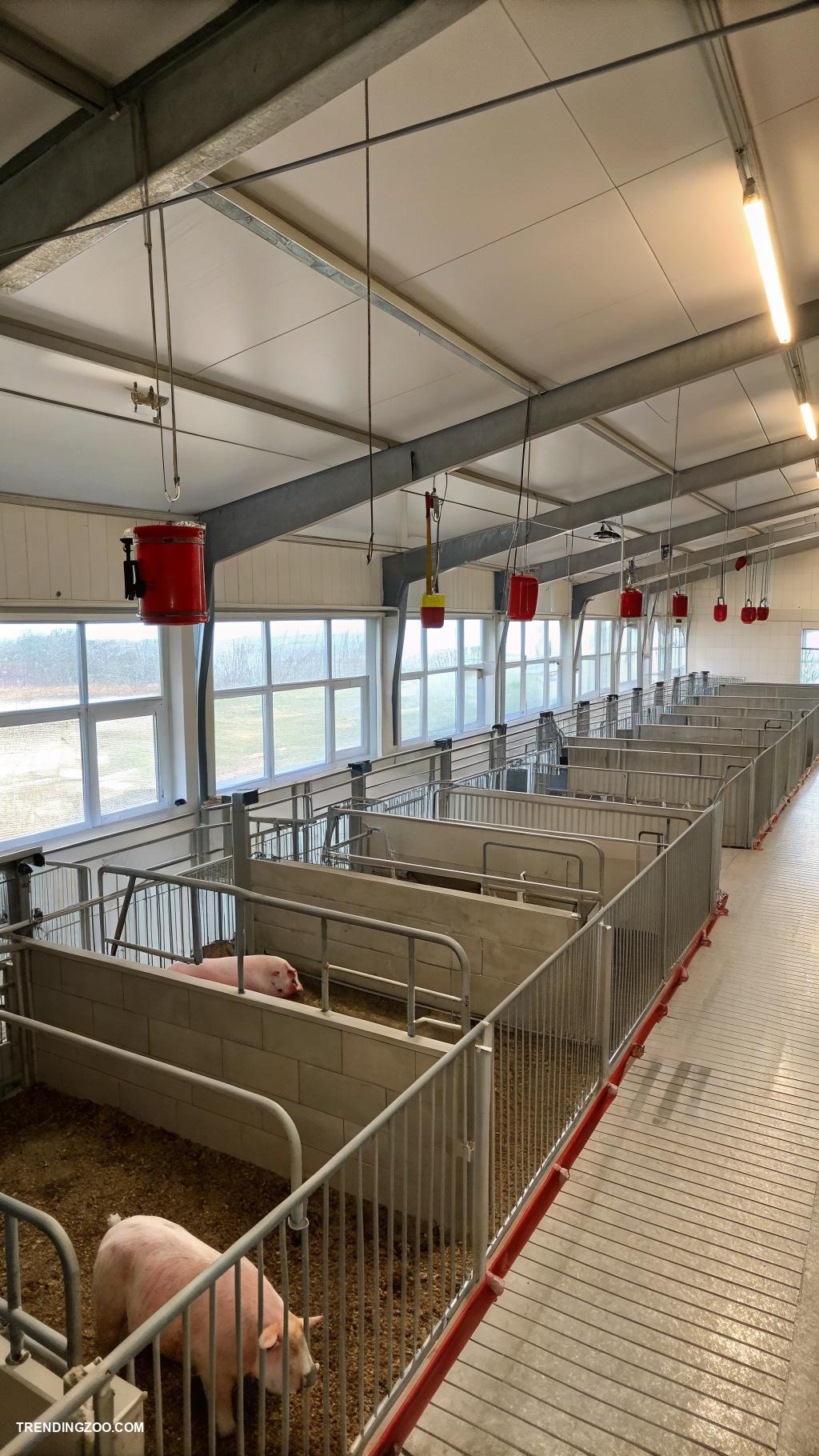
Indoor pig pens with heated floors provide a comfortable and efficient environment for pigs, especially in colder climates. The heated flooring not only keeps the pigs warm but also helps to reduce the risk of illness associated with cold, damp conditions. This design ensures optimal growth and well-being, as pigs can maintain their body temperature without excessive energy expenditure. Additionally, heated floors can facilitate easier cleaning and maintenance, making them a practical choice for modern piggery farms.
Multi-Tiered Pig Housing for Space Efficiency
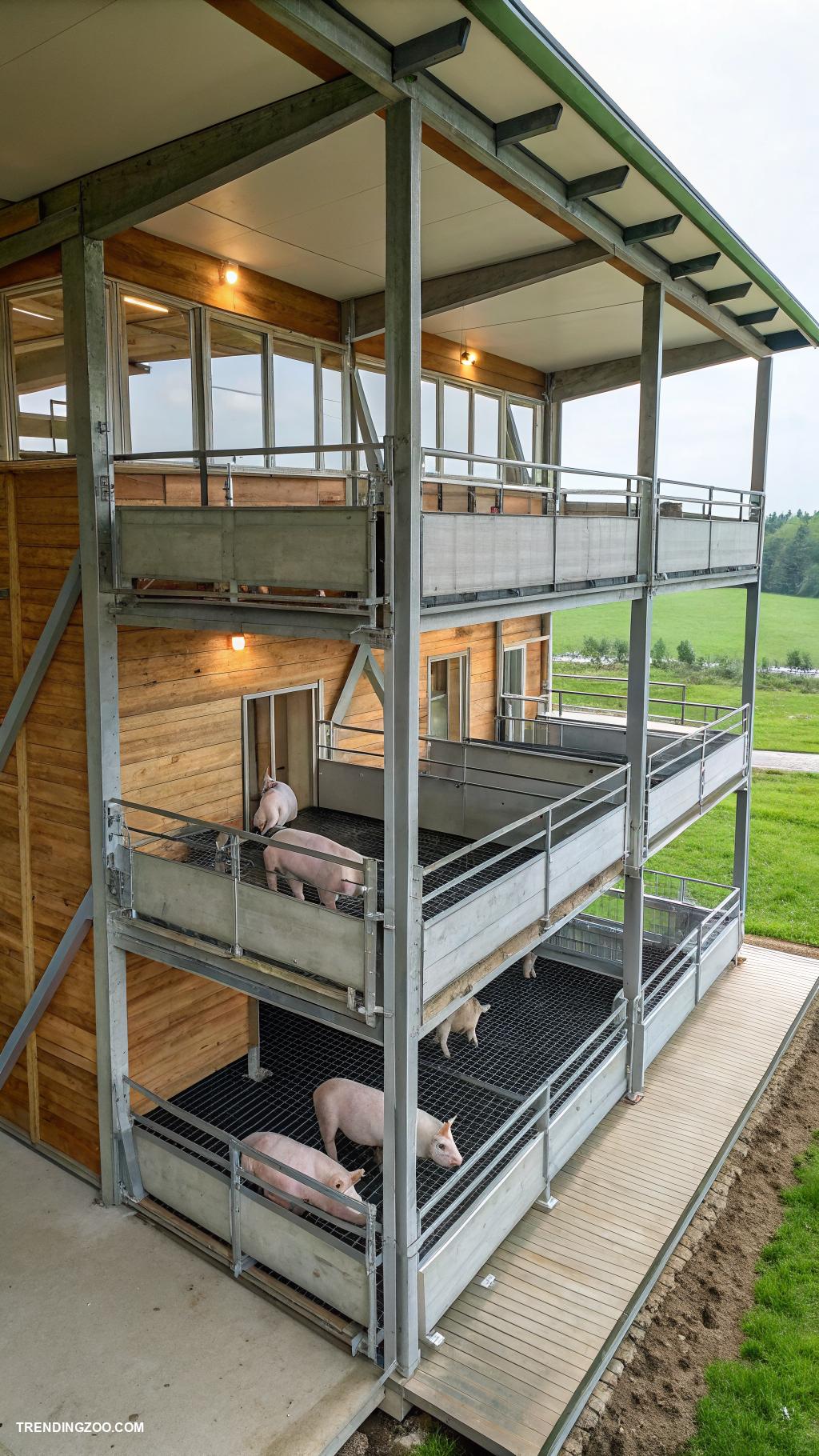
Multi-tiered pig housing is an innovative design that maximizes space efficiency in piggery farms. By utilizing vertical space, these structures allow multiple levels for pigs, reducing the overall footprint of the housing while providing ample living area for the animals. This design not only optimizes land use but also improves airflow and accessibility, promoting better health and welfare for the pigs. Additionally, multi-tiered systems can streamline feeding and cleaning processes, making farm management more efficient.
Recycled Materials for Eco-Friendly Structures
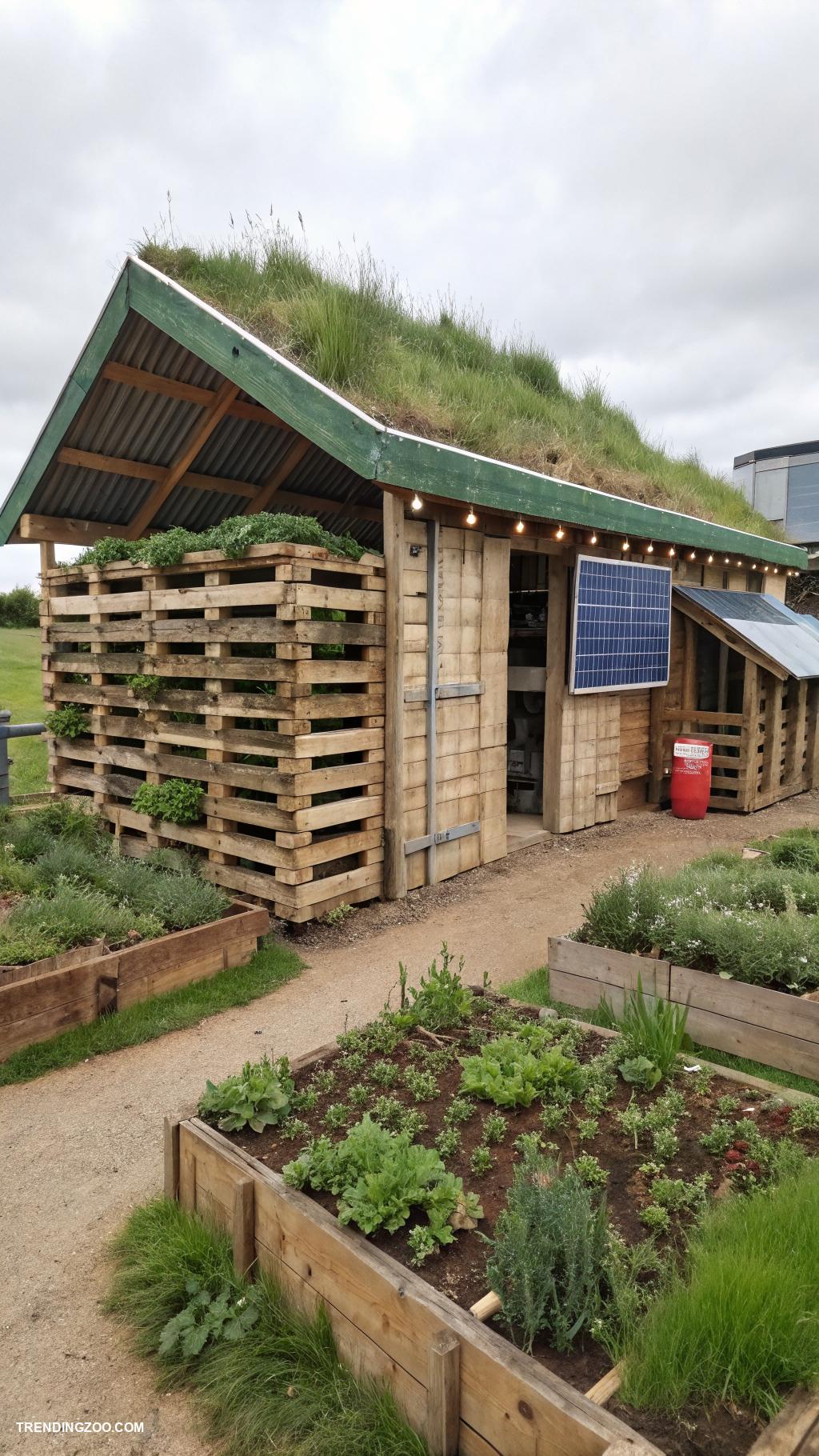
Recycled materials play a crucial role in designing eco-friendly structures for piggery farms, promoting sustainability while reducing waste. Utilizing reclaimed wood, repurposed metal, and recycled plastic not only lowers construction costs but also minimizes the environmental footprint of the operation. These materials can be integrated into various aspects of the farm, from durable fencing to innovative housing solutions for pigs. By choosing recycled resources, farmers can create a healthier environment for both the animals and the surrounding ecosystem.
Outdoor Pig Playground with Mud Baths
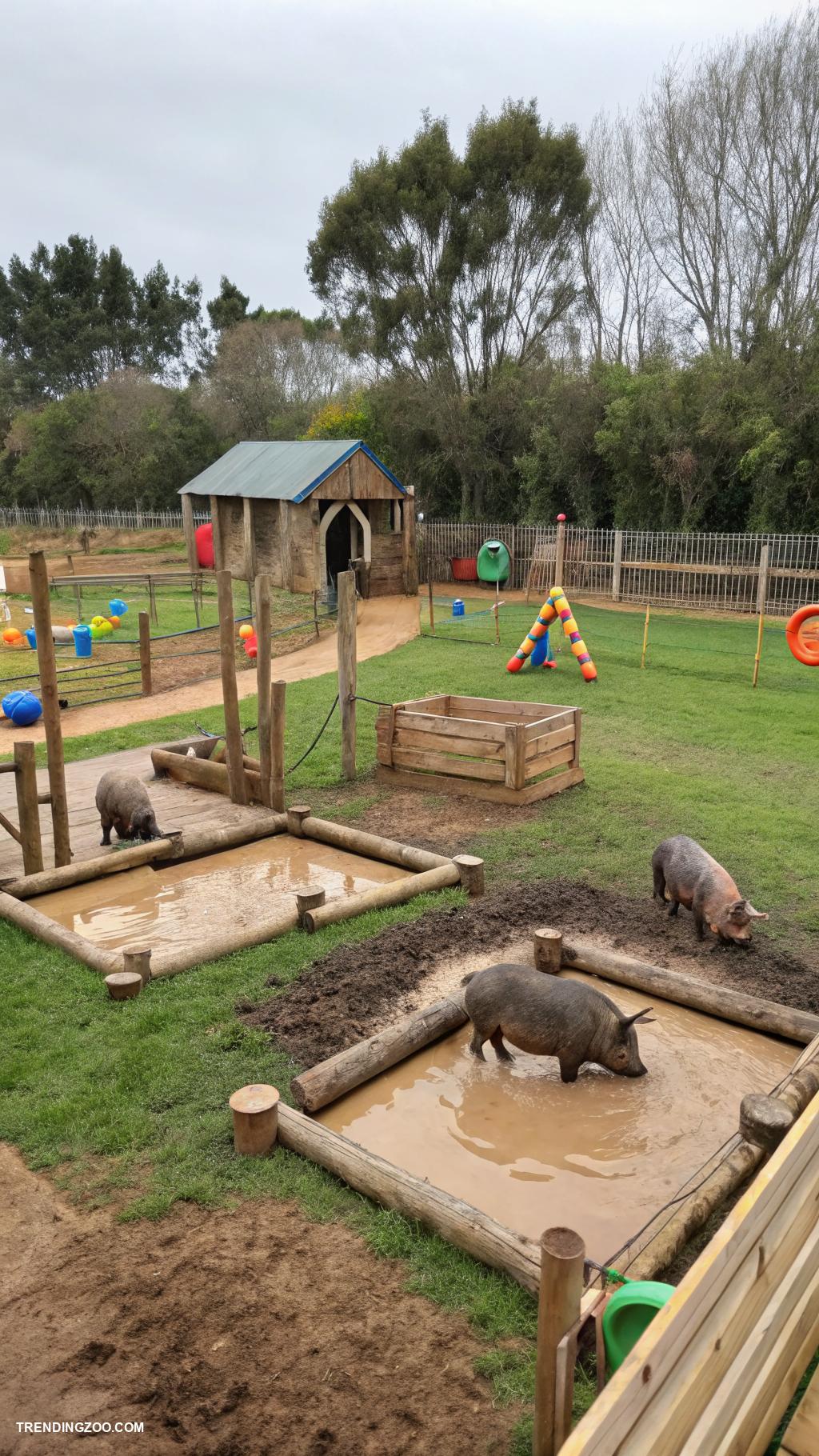
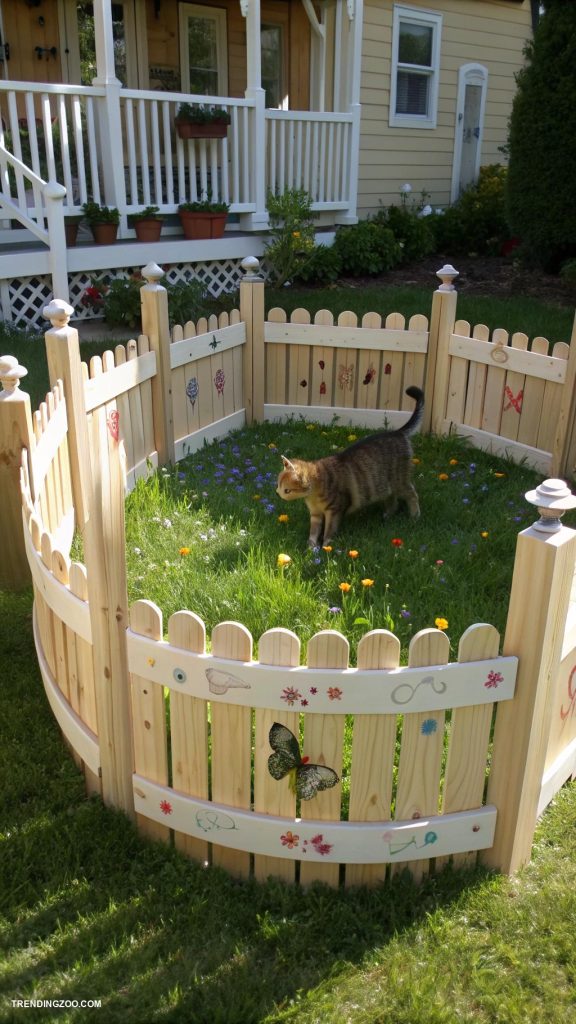
An outdoor pig playground designed for pets can provide a stimulating and engaging environment for pigs, incorporating features like mud baths that allow them to cool off and enjoy natural behaviors. The playground can include various textures and surfaces, such as soft grass, sandy areas, and safe climbing structures, promoting physical activity and social interaction among the pigs. Mud baths not only offer a fun way for pigs to wallow and relieve stress, but they also serve as essential skin care, helping to protect against sunburn and insect bites. With ample space to roam and explore, this playground ensures that pigs lead happy and healthy lives in a safe, enriching environment.
Partitioned Areas for Different Pig Breeds
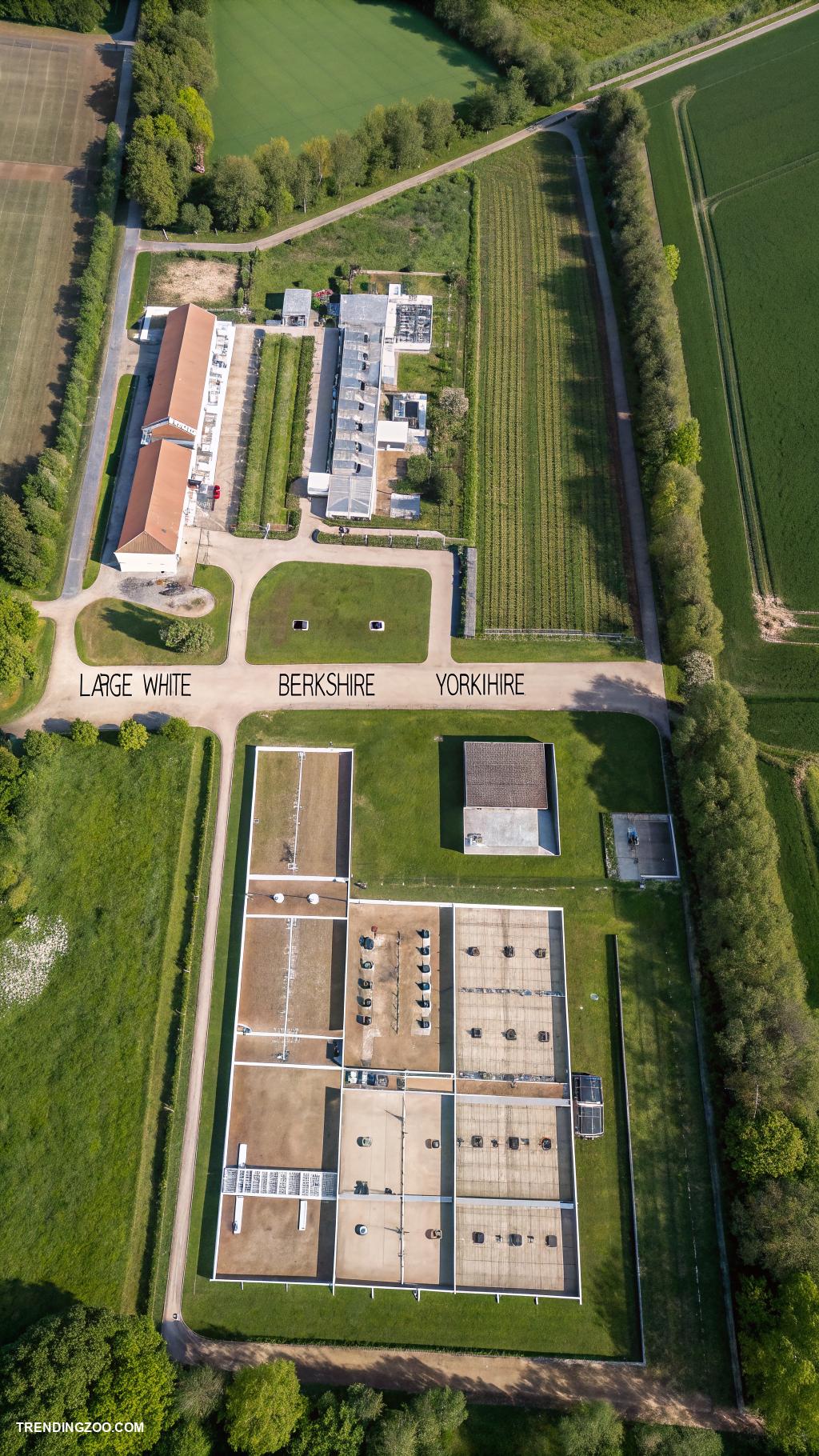
Partitioned areas in a piggery farm design are crucial for managing different pig breeds effectively. By creating separate spaces, farmers can cater to the specific needs of each breed, such as size, social behavior, and dietary requirements. This arrangement also minimizes stress and aggression among pigs, promoting better health and growth. Additionally, partitioned areas facilitate easier monitoring and care, ensuring each breed receives appropriate attention.
Accessible Feeding Stations for Easy Maintenance
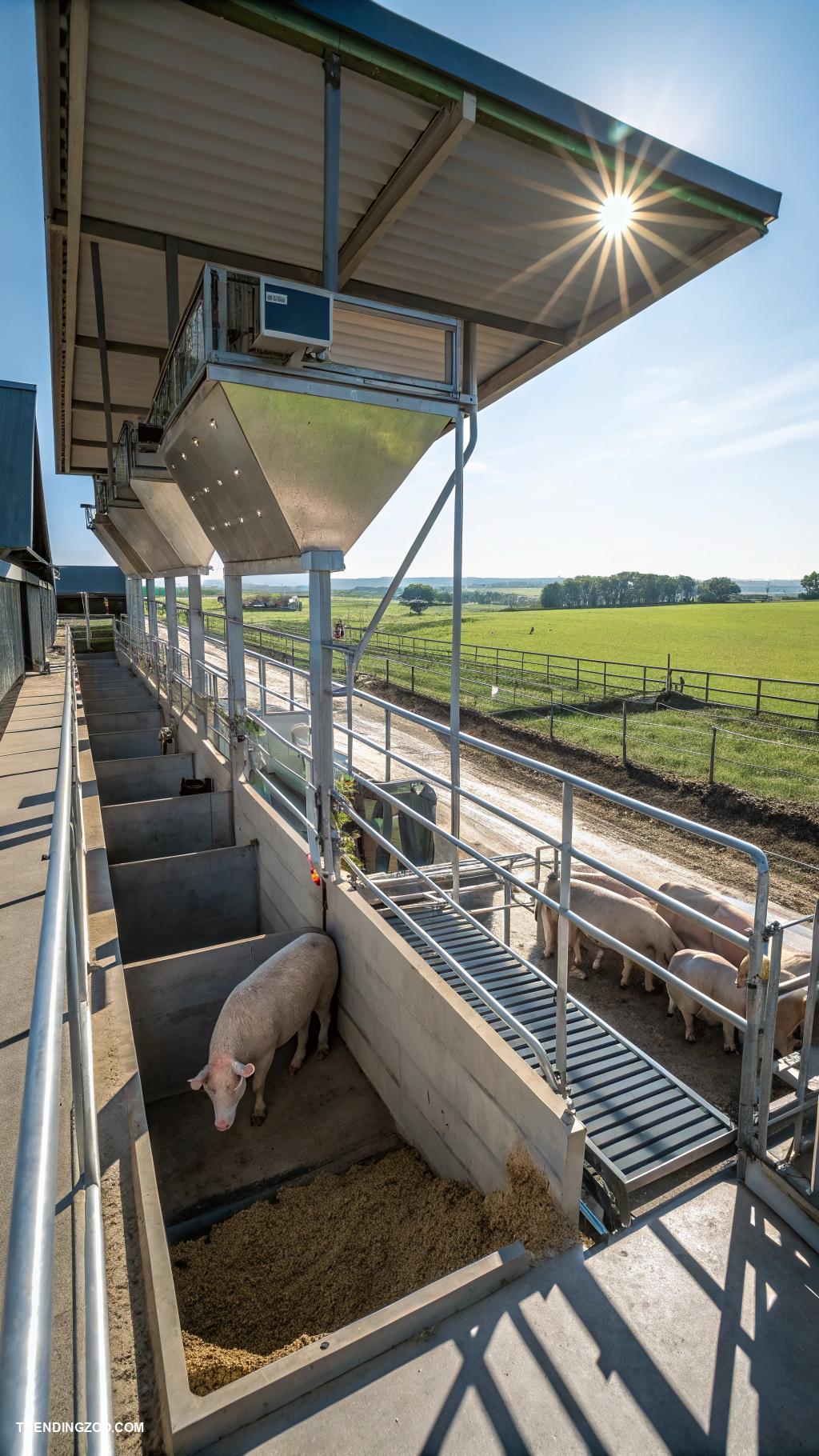
Accessible feeding stations are essential for efficient maintenance on a piggery farm, ensuring that animals can easily access their food while minimizing waste. These stations should be designed for quick cleaning and refilling, often featuring sloped surfaces or removable trays to facilitate easy removal of any leftover feed or debris. Strategic placement of these feeding areas allows for better observation of the pigs’ health and feeding behavior, promoting overall well-being. Utilizing durable materials that withstand frequent use and weather conditions further enhances their longevity and functionality.
Natural Shade Trees for Outdoor Areas
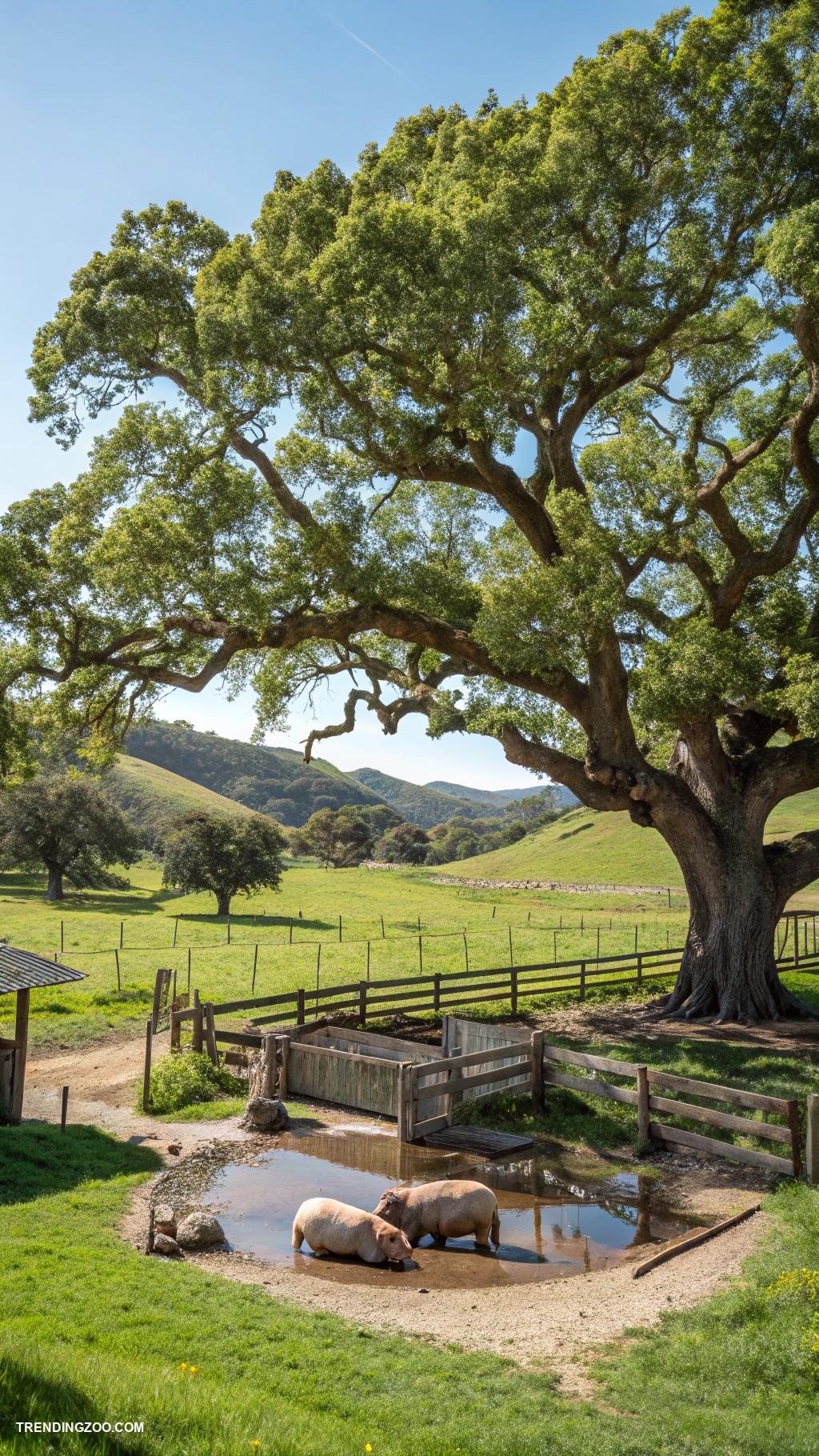
Natural shade trees play a crucial role in enhancing the comfort and well-being of animals on a piggery farm. These trees provide protection from the harsh sun, reducing heat stress and creating a more pleasant environment for the pigs. Additionally, natural shade can help improve soil moisture levels and reduce the need for supplemental watering, benefiting both the flora and fauna on the farm. Strategically placed, shade trees can also enhance the overall aesthetics of the farm, creating a more inviting space for visitors and pet owners alike.
Innovative Rainwater Collection System for Farm
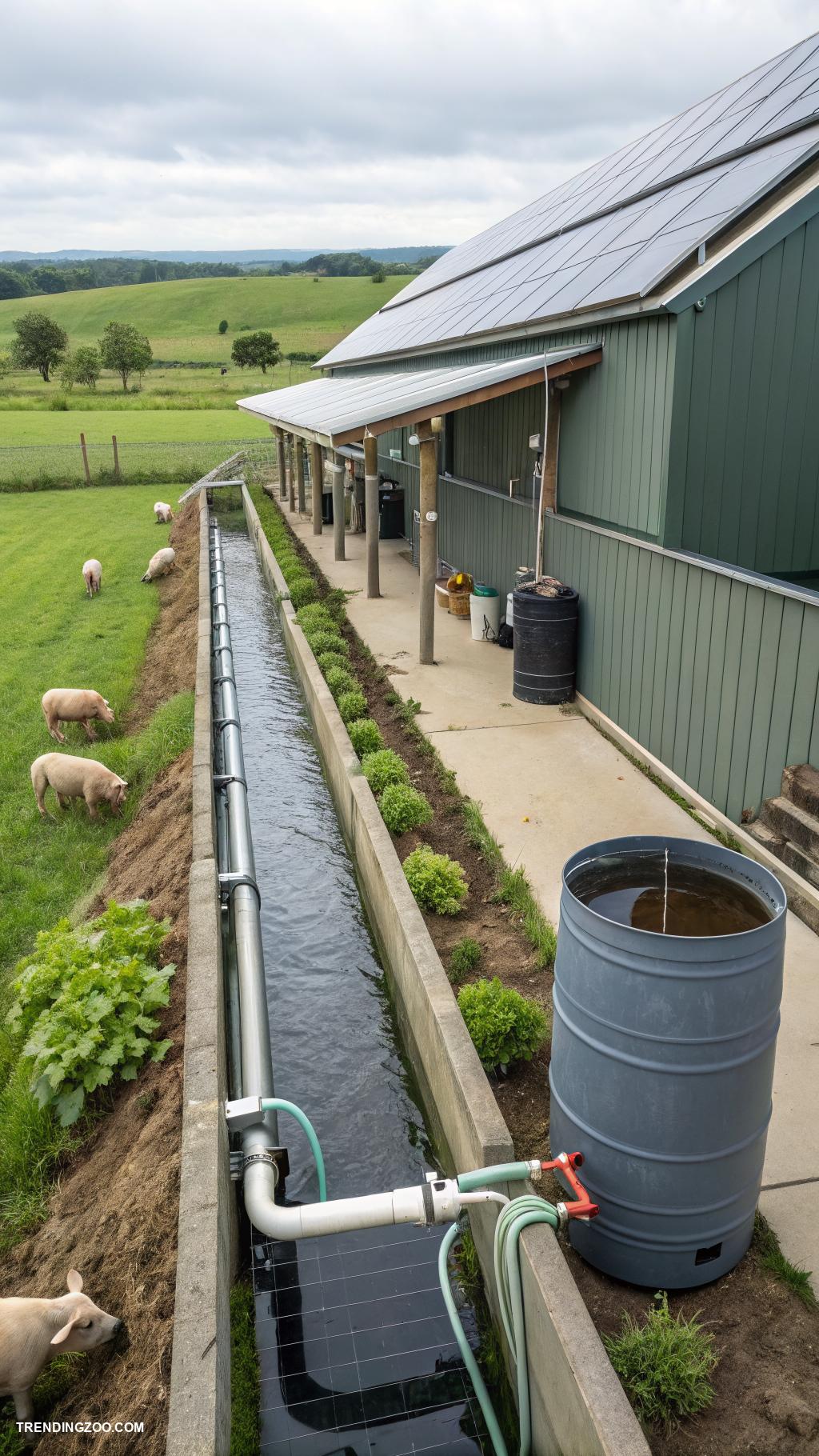
An innovative rainwater collection system for a piggery farm can significantly enhance water efficiency and sustainability. This system utilizes strategically placed gutters and storage tanks to harvest rainwater from roofs, directing it to filtration systems that ensure clean water for pigs. By integrating this method, farmers can reduce their reliance on traditional water sources, lower operational costs, and create a more environmentally friendly farming practice. Additionally, the collected rainwater can be used for irrigation, contributing to overall farm productivity and health.



How can I build the mudbath you have on your page, obviously some round treated pine posts but how do you keep water in?