
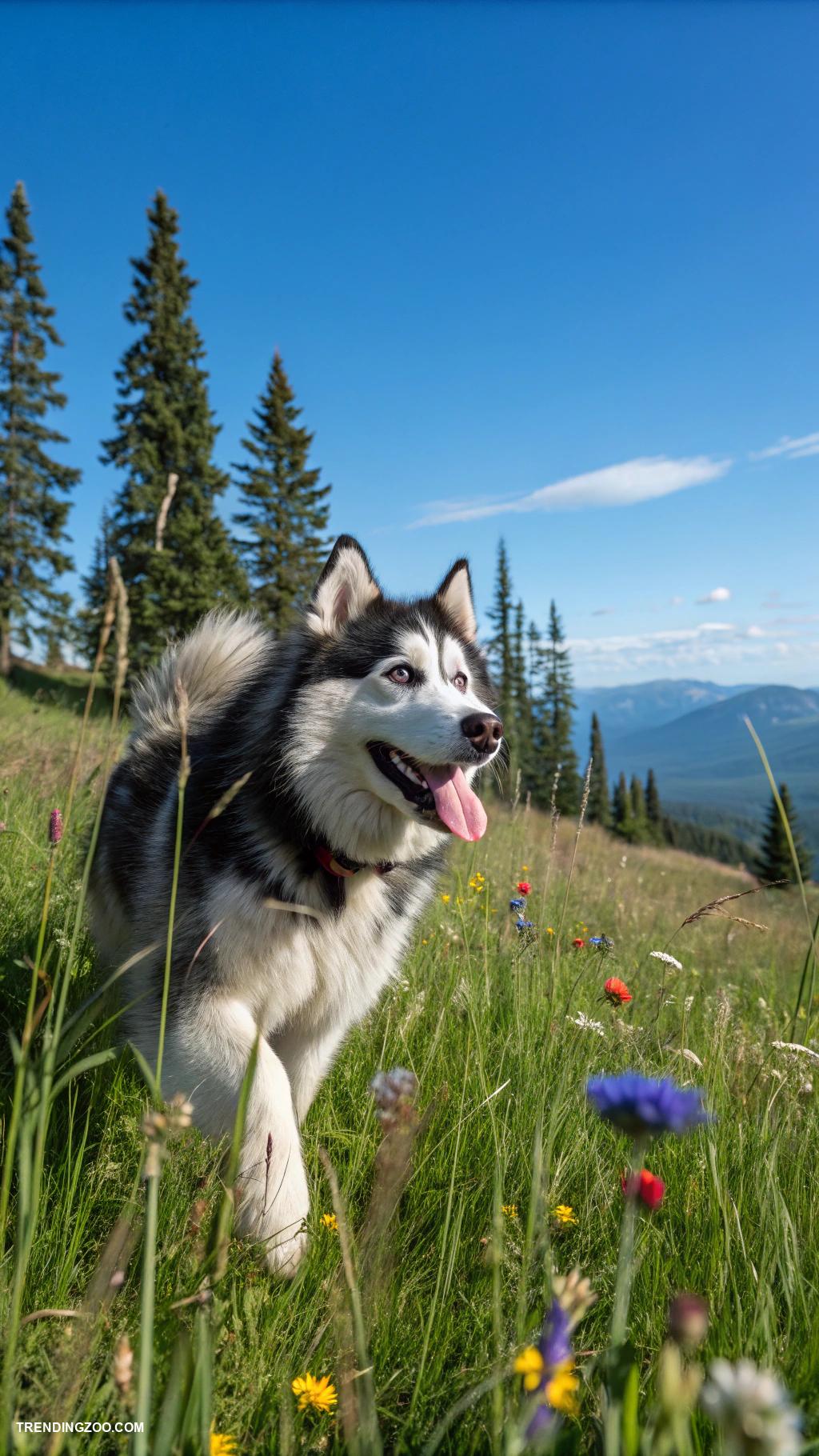
The majestic husky, with its piercing blue eyes and wolf-like features, is a breed that commands attention and inspires awe. Originating from the Arctic regions, this stunning canine has been bred for thousands of years to pull sleds, herd reindeer, and provide companionship to the indigenous people of Siberia. With their thick double coats and athletic builds, huskies are built for endurance and agility, making them a popular choice for outdoor enthusiasts and families alike.
But beyond their rugged good looks and impressive physical abilities, huskies possess a unique spirit and personality that sets them apart from other breeds – a spirit that is equal parts playful, curious, and affectionate. In this article, we’ll share everything to know about the husky, exploring their history, characteristics, and needs, as well as sharing tips and advice for those considering bringing one of these magnificent creatures into their family.
Origin and History of the Husky Breed
The majestic Siberian Husky breed has its roots in the harsh, icy tundras of Siberia, where it originated over 3,000 years ago. The earliest recorded history of the breed dates back to the Chukchi people, an indigenous tribe that relied heavily on dogs for transportation, hunting, and companionship. These early dogs were bred to be strong, agile, and resilient, with thick coats to withstand the extreme cold and a keen sense of smell to track prey.
The Chukchi people would often use these dogs to pull sleds, called gangways, which were used to transport goods, people, and even other animals across the frozen terrain. Over time, the breed was refined and developed into the distinctive Siberian Husky we know today, with its striking blue eyes, wolf-like appearance, and wolf-like howl.
In the late 19th century, the breed was introduced to Alaska and the United States, where it quickly gained popularity as a sled dog and eventually as a beloved family pet. Despite their ancient origins, Siberian Huskies have only been recognized as a distinct breed since the 1930s, when the American Kennel Club officially recognized them as a member of the working dog group.
Physical Characteristics and Size
The Siberian Husky is a medium-sized dog breed with a striking physical appearance. On average, adult Huskies typically weigh between 35-60 pounds, with males being slightly larger than females. Their height at the shoulder ranges from 20-23.5 inches, making them an impressive yet agile companion.
Their thick double coat, which is one of their most distinctive features, is designed to keep them warm in freezing temperatures and comes in a variety of colors, including black, gray, white, and various combinations of these hues. The outer coat, also known as the guard hairs, is coarse and straight, while the undercoat is soft and dense. Huskies have a broad, wedge-shaped head with a black nose and piercing brown eyes that seem to sparkle with intelligence. Their ears are triangular in shape and hang close to the head, while their bushy tail is carried with a jaunty air, often held high in excitement or enthusiasm.
Overall, the Siberian Husky’s physical characteristics are a testament to their origins as a working dog, bred to withstand the harsh Arctic environment and thrive in conditions that would be challenging for many other breeds.
Temperament and Behavior Traits
The Siberian Husky is a breed known for its striking appearance and energetic personality. When it comes to temperament and behavior traits, Huskies are often described as friendly, outgoing, and social dogs. They thrive on human interaction and attention, making them excellent family pets.
However, their high energy levels and strong prey drive can sometimes get the better of them, leading to destructive behavior if they don’t receive enough physical and mental stimulation. Huskies are also known for their stubbornness and independent nature, which can make training challenging at times. They require consistent and positive reinforcement, as well as early socialization, to help them develop good manners and a strong bond with their owners.
Despite their strong will, Huskies are generally excellent with children and other pets, especially if socialized from an early age. With the right care and attention, Huskies can make wonderful companions for active families and individuals who are willing to provide the exercise and mental stimulation they need to thrive.
Care and Maintenance Requirements
As a responsible husky owner, it is essential to understand the care and maintenance requirements of this beautiful breed. Huskies are known for their thick double coats, which require regular grooming to prevent matting and tangling. A brush should be used daily to remove loose hair and distribute skin oils, promoting a healthy and shiny coat.
Additionally, nail trimming, ear cleaning, and dental care are crucial to prevent health issues. It is recommended to trim their nails every four to six weeks, clean their ears weekly, and brush their teeth daily to prevent tartar buildup and promote good oral health. Huskies are also prone to shedding, especially during seasonal changes, and regular vacuuming and cleaning of their bedding and living areas is necessary to keep their environment clean and free of hair.
Furthermore, providing a balanced and nutritious diet, as well as ensuring they receive adequate exercise and mental stimulation, is vital to maintaining their overall health and well-being. With proper care and attention, huskies can thrive and become loving and loyal companions.
Training Tips for Huskies
When it comes to training Huskies, it’s essential to understand that they are a strong-willed breed that thrives on structure and consistency. One of the most important tips is to establish clear boundaries and rules from the onset, as Huskies can quickly become accustomed to getting their way. Positive reinforcement is key, so be sure to reward good behavior with treats, praise, and affection. Consistency is also crucial, as Huskies can become easily distracted and may not respond well to changing commands or routines.
Short, frequent training sessions are recommended, as Huskies have a relatively short attention span. It’s also essential to provide plenty of exercise and mental stimulation, as a bored or under-exercised Husky can become destructive or restless. Early socialization is also vital, as Huskies can be wary of strangers and may require time to warm up to new people and environments. With patience, persistence, and positive reinforcement, Huskies can learn to respond to commands, behave well in public, and become loving and loyal companions.
Health Issues Commonly Faced by Huskies
Huskies, with their striking blue eyes and wolf-like appearance, are a popular breed among dog enthusiasts. However, like any other breed, they are not immune to health issues. One of the most common health problems faced by Huskies is hip dysplasia, a genetic condition that affects the hip joint, leading to arthritis and mobility issues. Another common issue is eye problems, including cataracts, progressive retinal atrophy, and corneal ulcers, which can lead to vision loss if left untreated.
Huskies are prone to hypothyroidism, a condition where the thyroid gland does not produce enough hormones, leading to weight gain, skin problems, and lethargy. Furthermore, they are also susceptible to patellar luxation, a condition where the kneecap slips out of place, causing pain and discomfort. It is essential for Husky owners to be aware of these potential health issues and work closely with their veterinarians to prevent or manage them. Regular check-ups, a balanced diet, and plenty of exercise can go a long way in keeping your Husky healthy and happy.
Activities and Exercise Needs for Huskies
Huskies are a high-energy breed that requires regular exercise to stay happy and healthy. They were originally bred to pull sleds in the Arctic, so they have a strong instinct to run and play. As a result, they need at least an hour of exercise per day, with a minimum of 30 minutes of physical activity. This can include activities such as running, hiking, or playing fetch in a securely fenced area. Huskies also love to dig and burrow, so providing them with a suitable outlet for this behavior, such as a sandbox or a designated digging area, can help to channel their energy.
In addition to physical exercise, huskies also need mental stimulation to prevent boredom and destructive behavior. This can be achieved through activities such as agility training, obedience training, or scent work. It’s also important to provide huskies with plenty of opportunities for socialization, both with other dogs and with people. This can help to reduce their natural prey drive and prevent them from becoming aggressive towards other animals or people. Overall, huskies are a rewarding breed to own, but they do require a lot of attention, exercise, and mental stimulation to thrive.